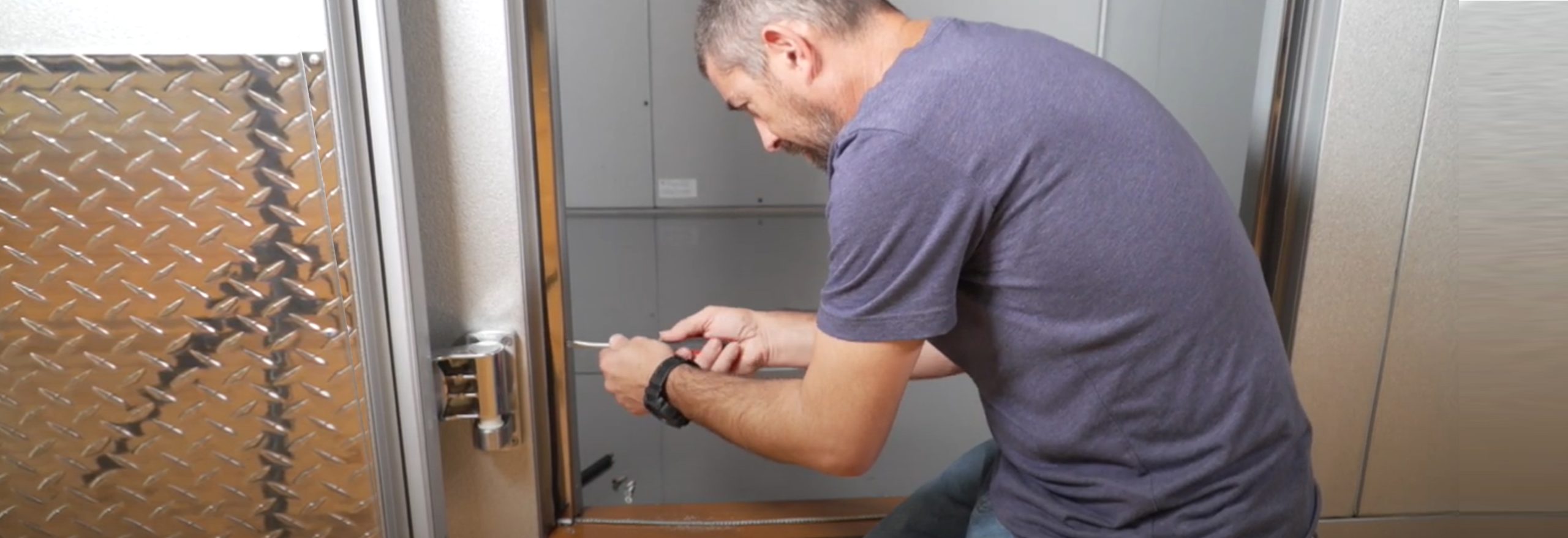
Walk-in cooler and freezer doors take a beating every day—traffic, carts, temperature swings, and constant opening and closing. Over time, even a small issue can cause a door to stop sealing properly, leading to frost, moisture, warm air leaks, and higher energy bills.
Most people assume the gasket is the only culprit, but in reality, door sealing problems often come from a few overlooked parts that quietly wear out first.
Here are the three components that can make or break your door seal—and how to know when it’s time to replace them.
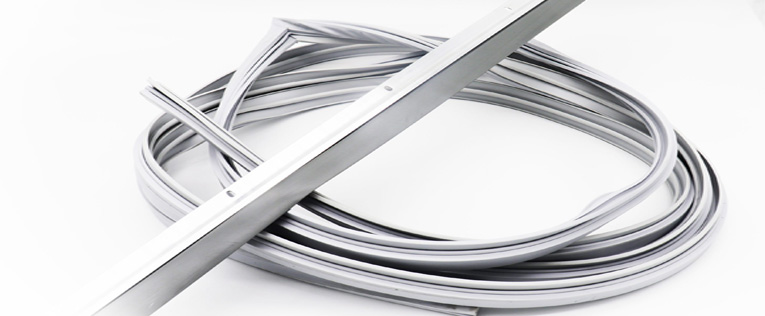
1) The Door Sweep (Your First Defense Against Air Loss)
If you’ve ever seen moisture or frost forming near the bottom of the door opening, your sweep may be worn down or missing entirely.
A damaged sweep can cause:
- warm air to rush in at floor level
- frost buildup in freezers
- condensation and slippery floors in coolers
- longer run times and wasted energy
Even if the gasket is in good shape, a bad sweep can still leave a major gap at the bottom of the door.
Tip: If you can see daylight under the door—or feel air movement near the floor—it’s time to inspect the sweep.
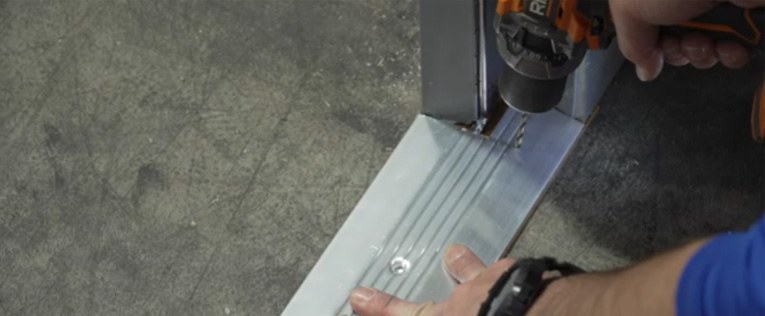
2) The Threshold (Small Part, Big Impact)
Thresholds don’t always look “broken,” but they wear down over time from traffic and equipment. Once the threshold is worn, the door may close—but the bottom edge won’t seal tightly.
A worn or loose threshold can lead to:
- uneven sealing
- ice buildup around the entry
- gasket wear happening faster than it should
If you replace a gasket and still have sealing issues, the threshold is often the missing piece.
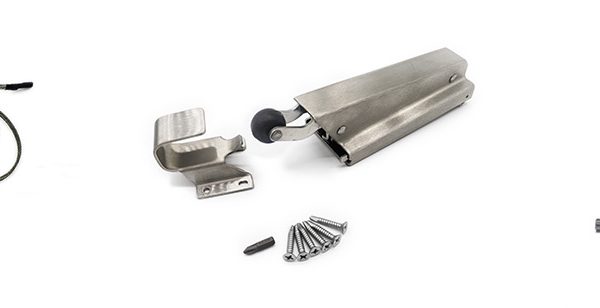
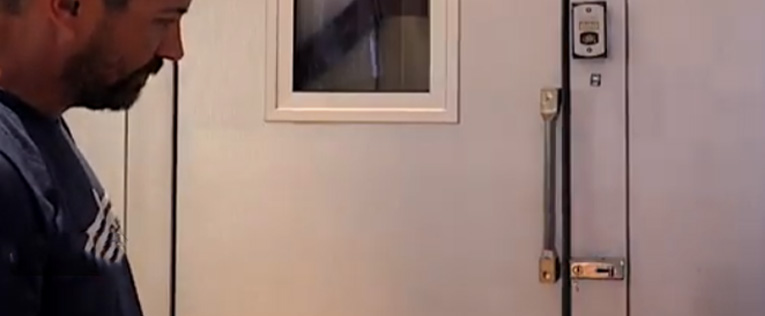
3) The Strike / Latch Alignment (When the Door Closes… But Not Tight)
Sometimes the door is sealing poorly because it’s not pulling shut correctly. That’s typically a latch-and-strike alignment issue—not a gasket issue.
Signs your latch/strike may need attention:
- the handle feels “loose” or doesn’t pull tight
- the door bounces back slightly after closing
- you have to slam the door to get it to latch
This is one of the most common reasons a walk-in door “looks closed” but still leaks air.
Don’t Replace the Gasket Twice
Yes—gaskets fail. But door sweeps, thresholds, and latch alignment issues are often the real reason a walk-in door stops sealing.
If you’re troubleshooting a door problem, start here:
✅ sweep
✅ threshold
✅ latch/strike alignment
✅ then gasket
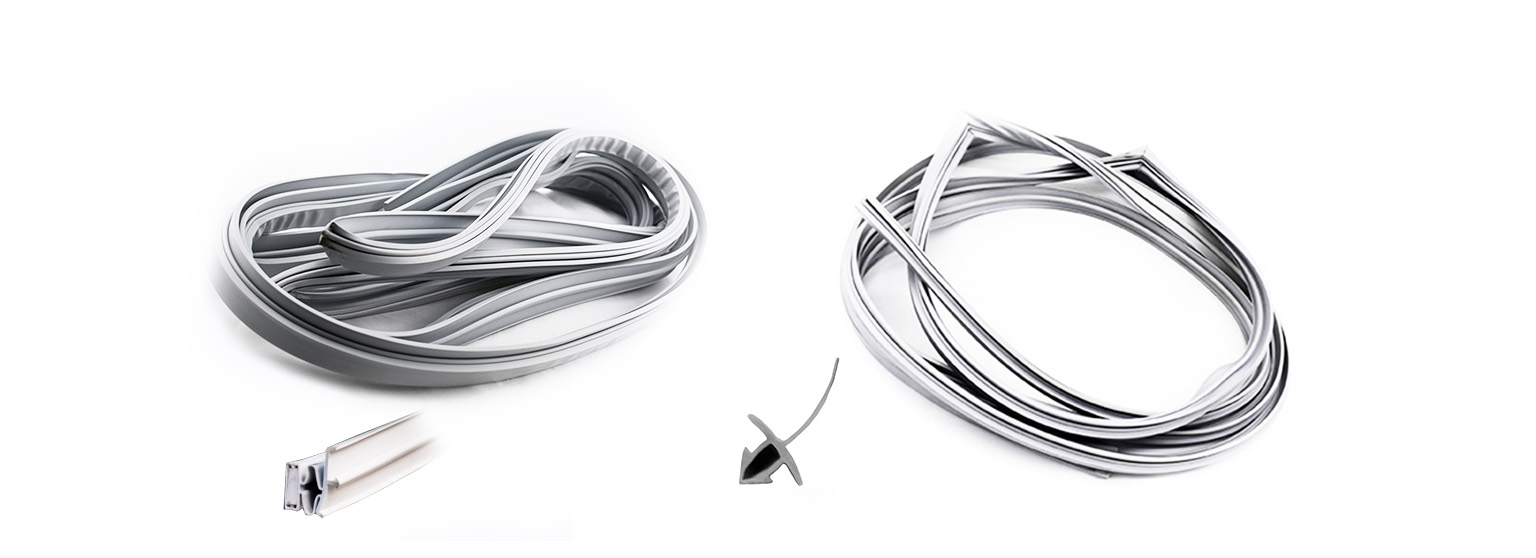
Catching these early can prevent expensive service calls, reduce frost problems, and keep your walk-in running efficiently.
Need help identifying the right replacement parts? ReFridge is here to help you find the correct solution and get your walk-in back to sealing like it should.