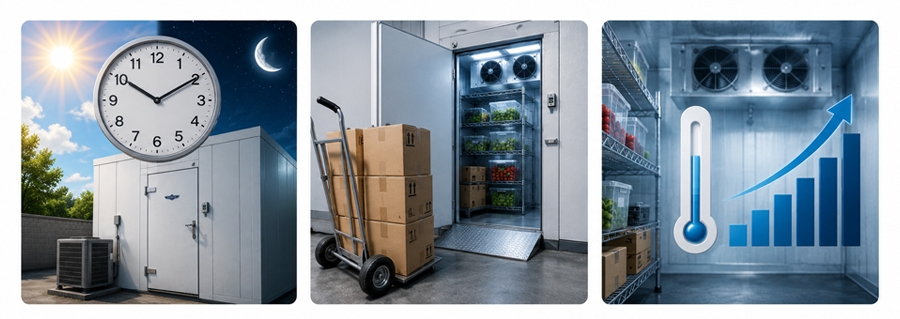
When temperatures rise, your walk-in refrigeration system works harder than it does any other time of year. Every delivery, every door opening, and every warm product entering the box adds heat that your refrigeration system must remove.
The good news? You don’t always need a larger refrigeration system to improve summer performance. Often, small changes in how product is loaded and stocked can significantly reduce recovery time, lower energy use, and help maintain more consistent temperatures.
Why Summer Loading Matters
During cooler months, refrigeration systems recover relatively quickly after doors are opened or products are stocked.
Summer changes everything.
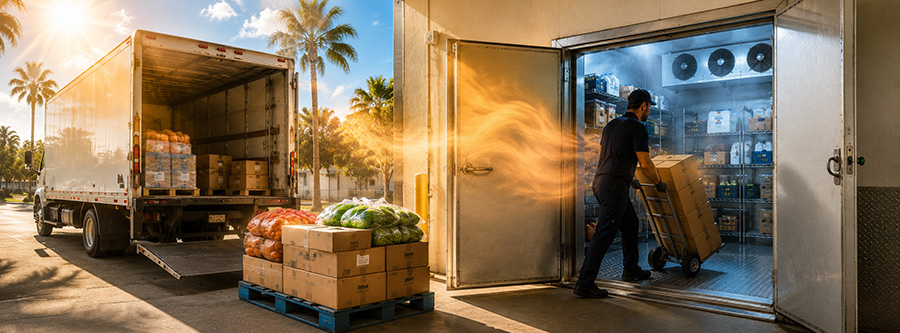
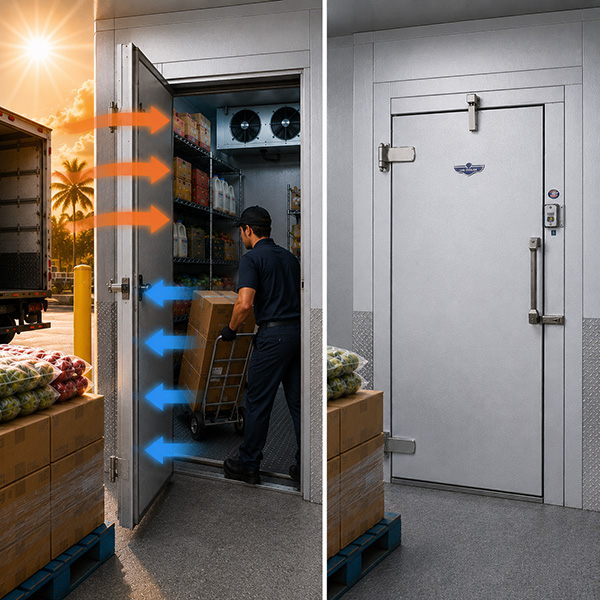
Hot outdoor air carries more heat and moisture into the walk-in every time the door opens. Warm deliveries arriving from trucks place an even larger load on the refrigeration system, which may spend hours removing that additional heat.
If airflow is also restricted by poor loading practices, recovery becomes even slower.
1. Stage Product Before Loading
One of the easiest ways to reduce heat gain is to prepare deliveries before opening the walk-in.
Instead of repeatedly opening the door while organizing product:
- Verify deliveries first
- Organize items by storage location
- Load everything in one efficient trip whenever possible
Every minute the door stays open allows warm, humid air inside.
2. Leave Space Around Evaporator Fans
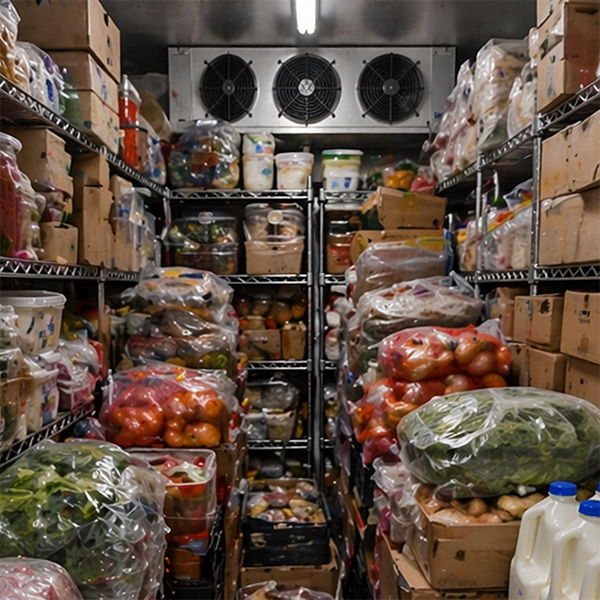
Your evaporator needs room to move air throughout the entire box.
Avoid storing:
- boxes directly beneath the evaporator
- product stacked against discharge air
- pallets that block airflow
When supply air is restricted, cold air cannot circulate properly, causing uneven temperatures and longer run times.
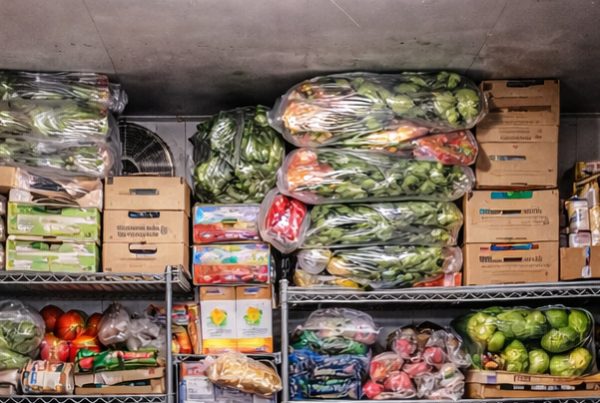
3. Don’t Pack Product Against Walls
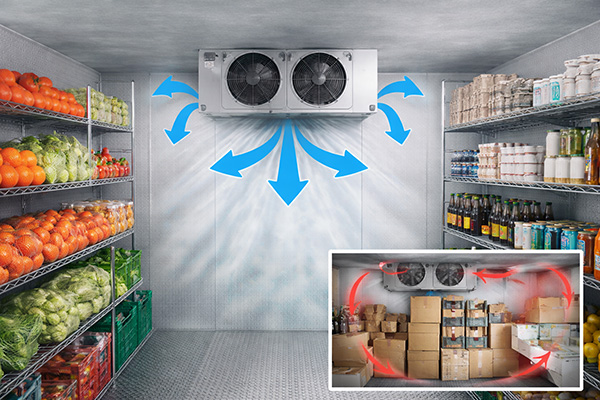
Many operators try to maximize storage by filling every available inch.
Unfortunately, product packed tightly against walls limits the return airflow needed by the evaporator.
Instead:
- leave several inches between product and walls
- avoid stacking all the way to the ceiling
- maintain open air channels whenever possible
Proper airflow keeps temperatures more consistent throughout the walk-in.
4. Allow Warm Product to Cool Strategically
Fresh deliveries don’t instantly become refrigerator temperature.
Large quantities of warm product create a significant heat load.
If possible:
- spread warm product out instead of stacking tightly
- avoid blocking air movement around newly stocked items
- allow refrigeration to circulate freely around the load
This helps remove heat much faster.
5. Keep Aisles Open

Your refrigeration system depends on continuous air circulation.
Crowded aisles reduce airflow and make inventory harder to rotate.
Keeping aisles clear improves:
- cooling performance
- employee access
- product organization
cleaning efficiency
6. Close Doors Promptly
It sounds simple—but it’s one of the biggest factors affecting summer performance.
Every unnecessary minute the door remains open allows:
- warm air inside
- humidity buildup
- frost formation
- longer compressor run times
If your door doesn’t close automatically, inspect the:
- hinges
- latch
- closer
- door gasket
These inexpensive repairs often improve performance immediately.
7. Watch Recovery Time
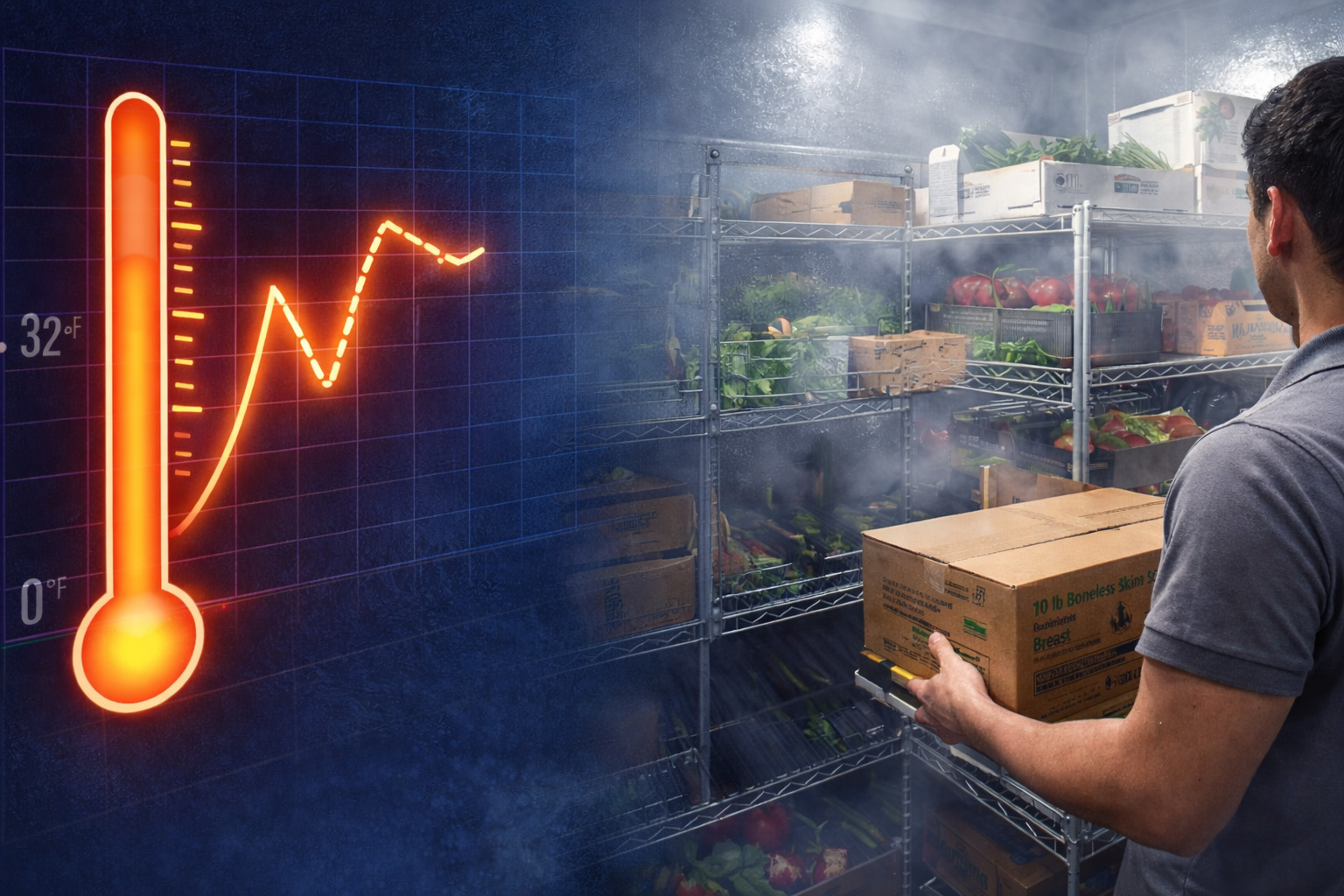
After loading is complete, observe how quickly the walk-in returns to its normal operating temperature.
If recovery seems much slower than normal, it could indicate:
- blocked airflow
- dirty condenser coils
- worn door gaskets
- evaporator icing
- refrigeration system issues
Loading practices are often the first place to look before assuming major equipment repairs are needed.
Small Changes Make a Big Difference
Summer is the most demanding season for any walk-in refrigeration system.
Fortunately, improving performance doesn’t always require replacing equipment.
Simple loading habits—keeping doors closed, maintaining airflow, organizing deliveries, and avoiding blocked evaporators—can help reduce recovery times, improve temperature consistency, lower energy consumption, and extend the life of your refrigeration system.
Need Replacement Walk-In Parts?
If your walk-in struggles to recover after loading, worn components may also be contributing to the problem.
ReFridge stocks replacement:
- Door gaskets
- Hinges
- Latches
- Strip curtains
- Heater wire
- Fan motors
- Replacement door parts
- And thousands of OEM-compatible walk-in cooler and freezer components.
Keep your walk-in operating at peak performance—no matter how hot it gets outside.