When a walk-in cooler or freezer is operating normally, replacement parts probably aren’t at the top of your priority list.
Then a hinge breaks. A door won’t latch. A gasket tears. A freezer door starts icing up.
Suddenly, a relatively small component can become a very big problem.
Walk-ins rely on a number of wear components—particularly around the door—that are exposed to constant opening, closing, temperature changes, moisture, and everyday abuse. Gaskets, hinges, latches, closers, and heater components are all common service items.
The question is: Should you replace a worn part now, or keep a spare on the shelf for when it finally fails?
Sometimes the answer is both.
The Real Cost of Waiting for a Part

A replacement part may only cost a fraction of what the walk-in itself costs, but that doesn’t mean its failure is insignificant.
Consider a door that won’t seal because of a damaged gasket or worn hinge. Warm, humid air can enter the walk-in, potentially contributing to frost, longer refrigeration cycles, and difficulty maintaining the desired environment.
And if a critical part fails unexpectedly, you’re not only dealing with the repair. You’re dealing with the time between failure and replacement.
That may mean expedited shipping, an emergency service call, employees finding temporary workarounds, or concerns about maintaining temperatures until the repair can be completed.
A little planning can make that situation much easier.
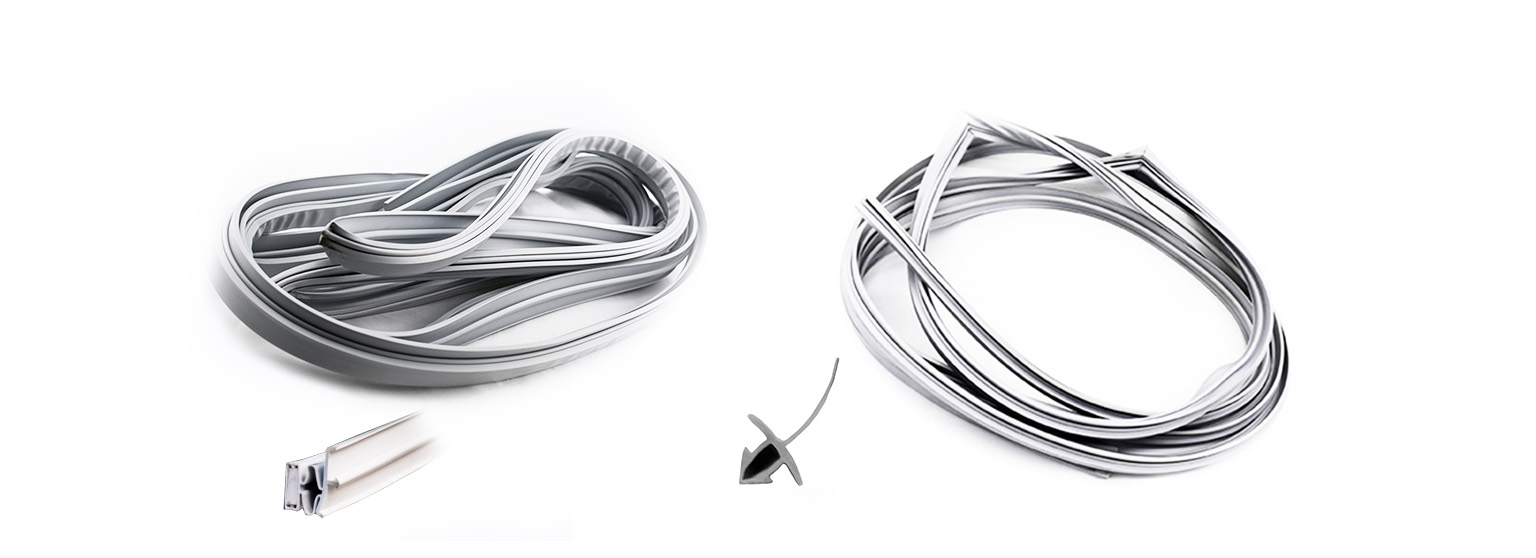
1. Door Gaskets: Don’t Wait Until They’re Falling Apart
Gaskets are one of the easiest walk-in components to inspect—and one of the easiest problems to ignore.
A gasket doesn’t have to be completely torn apart to cause problems. Look for:
- Tears or cracks
- Hardened or brittle material
- Flattened sections
- Loose corners
- Visible gaps
- Condensation or frost around the door
- Areas where the gasket no longer makes firm contact with the frame
If a gasket is already showing significant deterioration, replace it rather than waiting for complete failure.
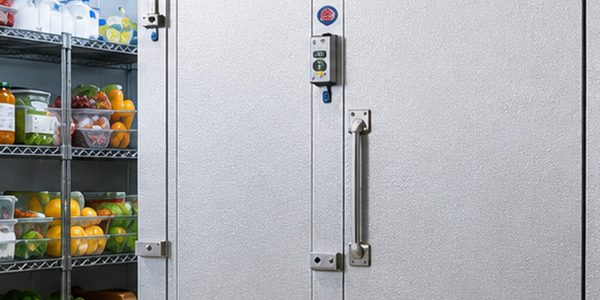
For operations with multiple identical walk-ins or doors using the same gasket, keeping a replacement on hand can also make sense. Just be sure you know exactly which gasket you need. Gaskets are not universal; profile, dimensions, and attachment style matter. ReFridge, for example, carries different gasket configurations and sizes depending on the walk-in and door.
Repair now: A gasket that’s torn, hardened, loose, or no longer sealing.
Keep a spare: Especially useful if you have several doors that use the same gasket.
2. Hinges: A Small Part Supporting a Big Job
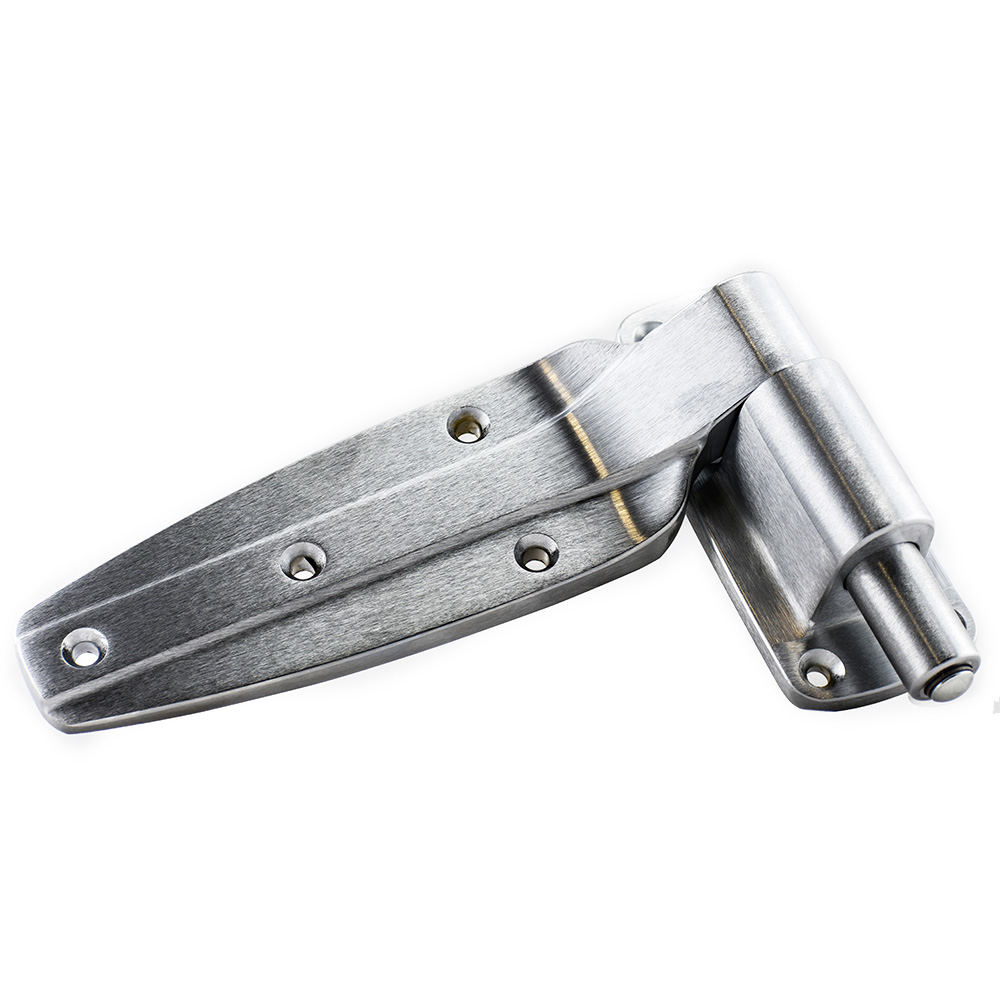
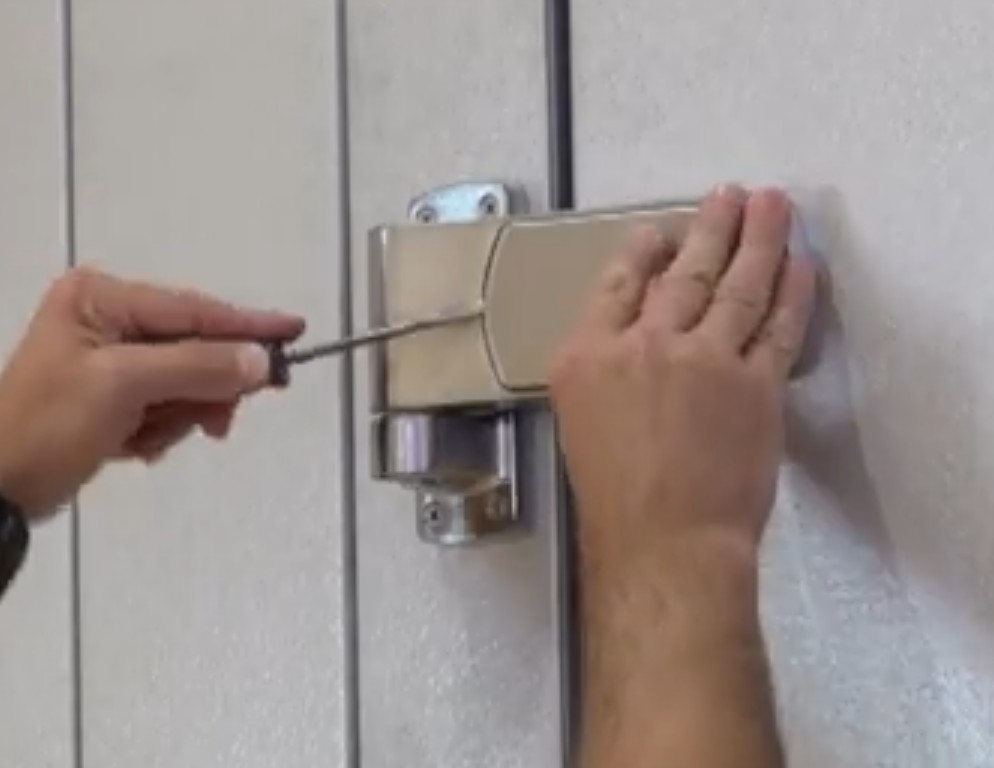
Walk-in doors are heavy, and the hinges supporting them get a workout.
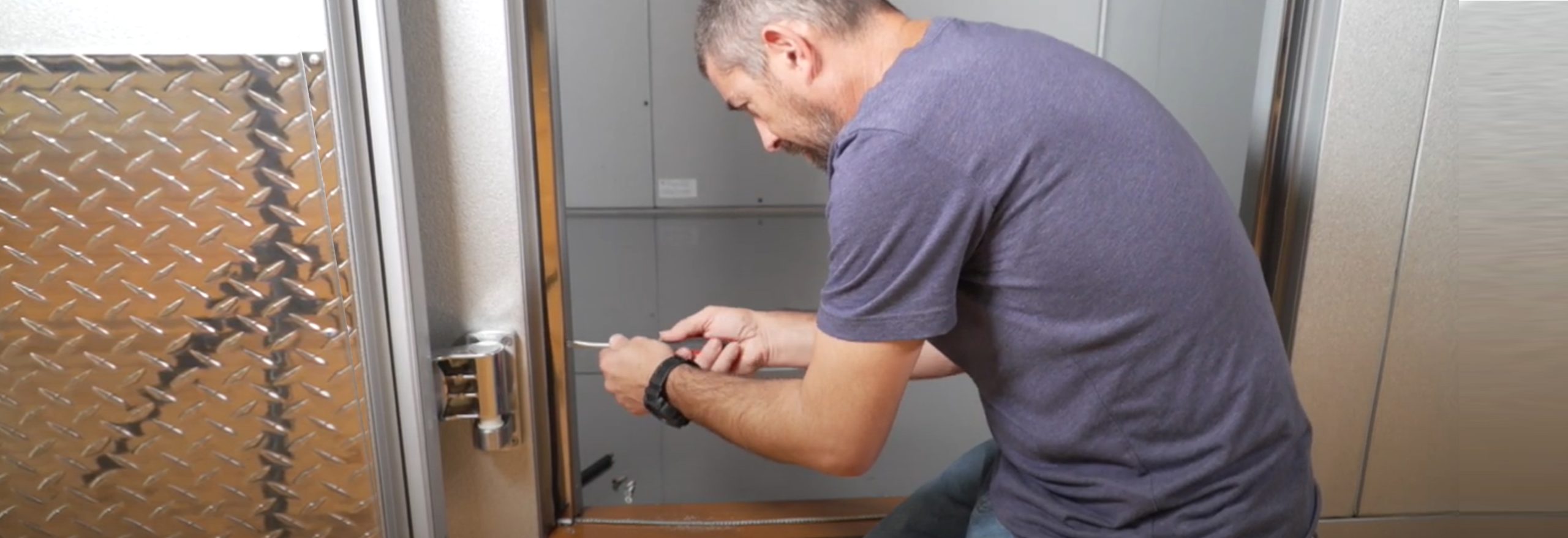
As hinges and their internal components wear, a door can begin to sag or become misaligned. That can affect more than how easily the door opens. Misalignment can also prevent the gasket from making consistent contact with the frame. (Walk-In Parts Express)
Watch for a door that:
- Sags
- Rubs or drags
- Doesn’t line up with the frame
- Has to be lifted to close
- Suddenly becomes harder to open or close
- No longer seals evenly
Those aren’t problems to save for later.
If a hinge is visibly worn or affecting door alignment, address it now.
For high-traffic facilities, keeping the correct replacement hinge or hinge components available can reduce downtime if another failure occurs. But verify the exact hardware first. Hinge style, size, mounting pattern, and offset can vary, and even seemingly similar hinges may not be interchangeable.
Repair now: A loose, worn, damaged, or misaligned hinge.
Keep a spare: Consider it for high-use doors or facilities with several identical doors.
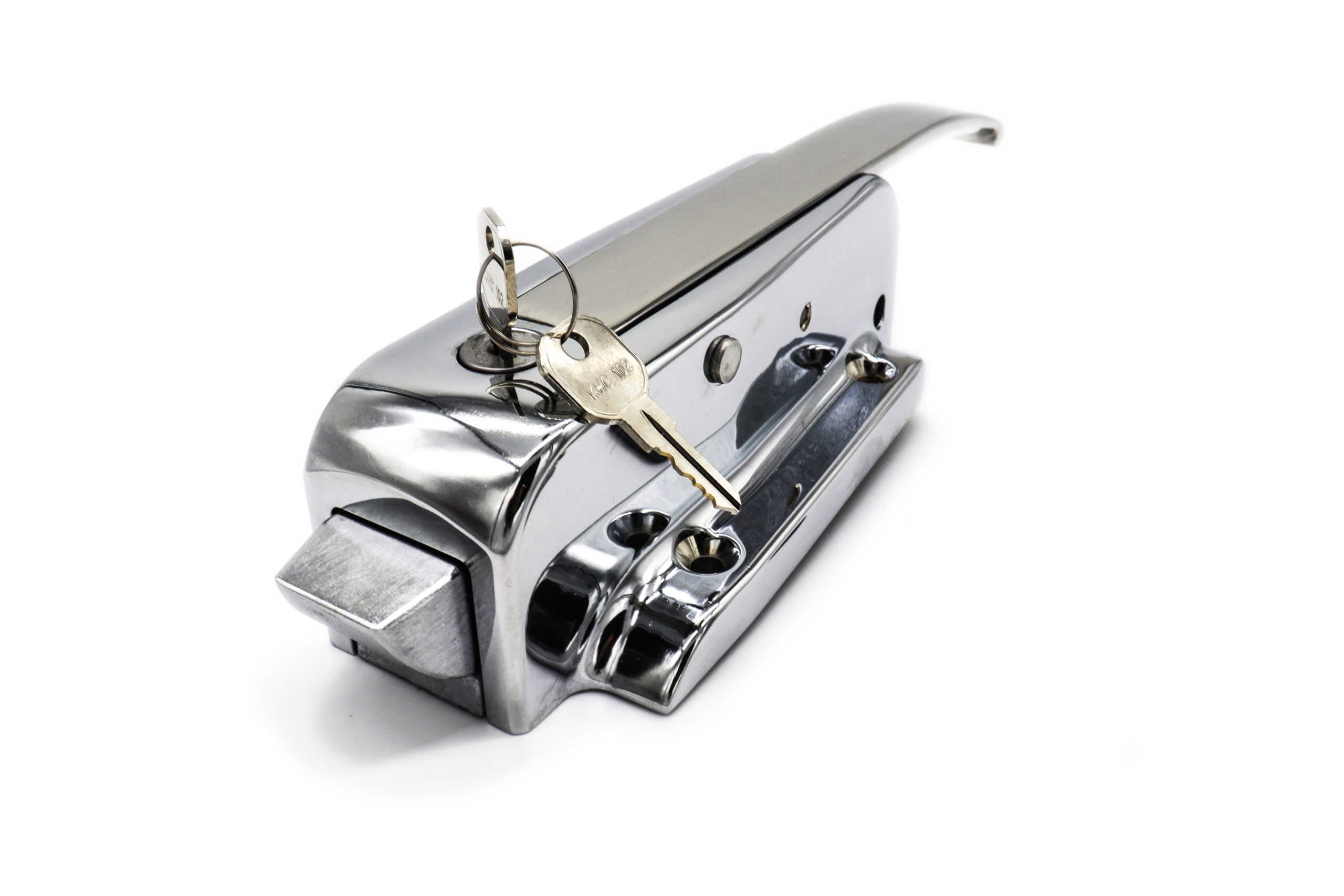
3. Latches and Handles: Don’t Make “Just Slam It” the Solution
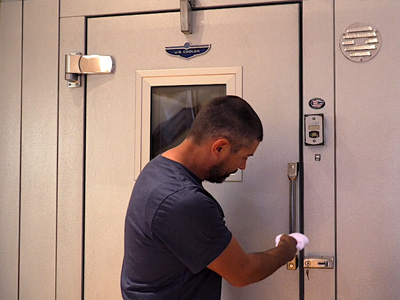
We’ve all seen the walk-in door that employees have learned to operate just right.
“Pull up on it first.”
“Push it hard.”
“Give it a slam.”
That’s not a repair strategy.
The latch helps pull the door securely against the gasket. If it isn’t engaging correctly, the problem may involve the latch, strike, hinge alignment, or gasket.
Address the underlying issue before employees develop a workaround that could create additional wear.
A broken handle or latch can also immediately interfere with normal walk-in use, making this a good category to consider for spare inventory when the same hardware is used throughout a facility.
Repair now: Hardware that is loose, damaged, difficult to operate, or no longer securing the door correctly.
Keep a spare: Particularly valuable for high-traffic doors and facilities with matching hardware across multiple walk-ins.
4. Door Closers: Small Convenience Until They Stop Working
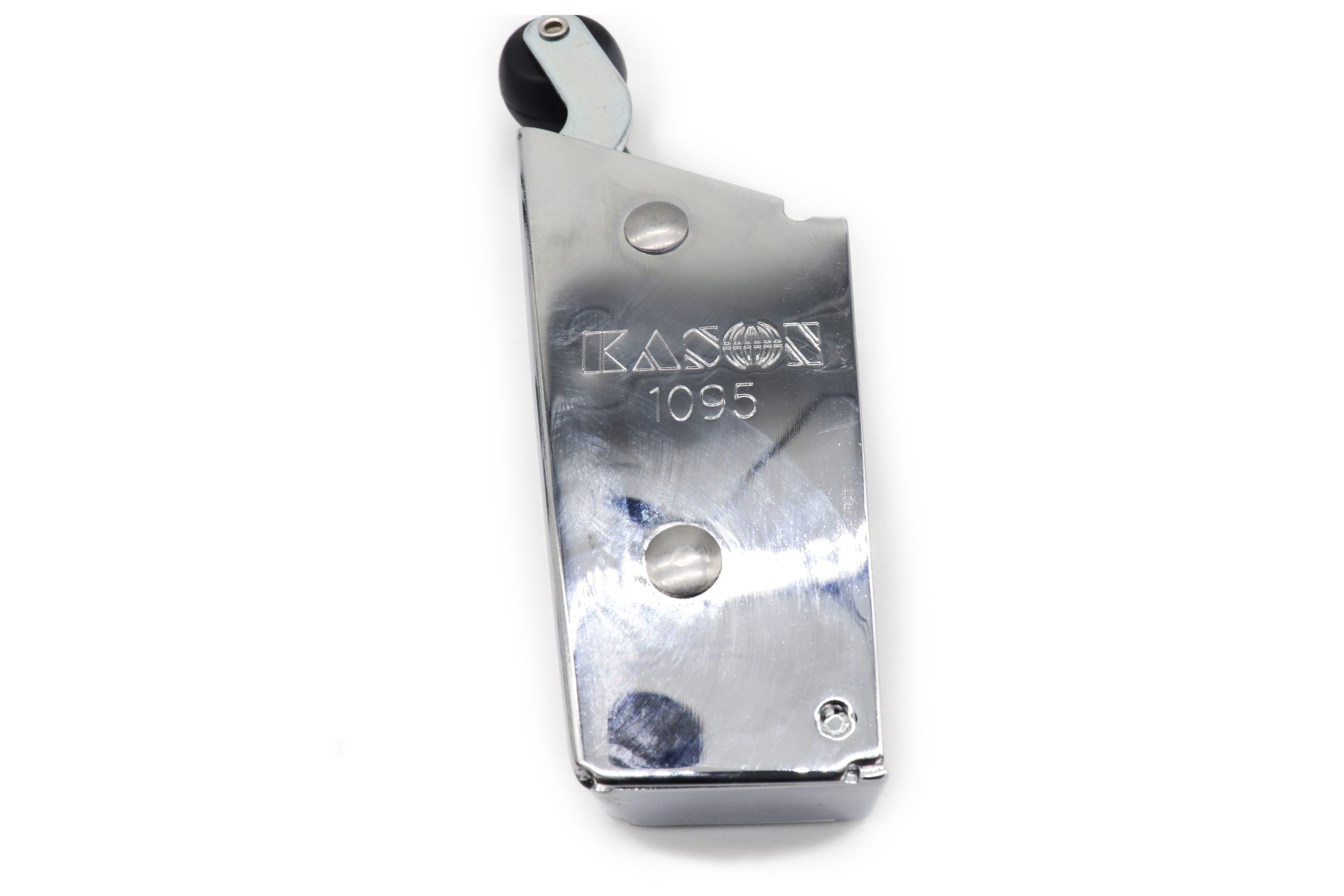
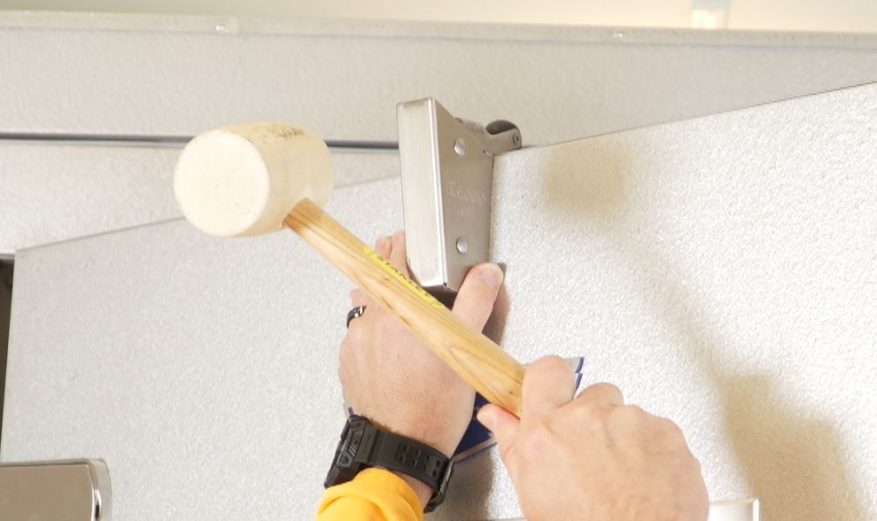
A closer does something employees shouldn’t have to think about: it helps the walk-in door close after someone passes through.
When it stops doing its job, doors can be unintentionally left partially open.
Inspect the closer if the door doesn’t reliably return to the closed position. The problem could involve the closer itself, but door alignment, hinges, or other hardware may also be contributing factors.
If your operation depends on a heavily used walk-in throughout the day, the closer is another relatively small component worth thinking about before it fails.
Repair now: A closer that no longer reliably closes the door.
Keep a spare: Worth considering on frequently used walk-ins, particularly when multiple doors share the same closer.
5. Door Sweeps: Easy to Overlook, Easy to Inspect
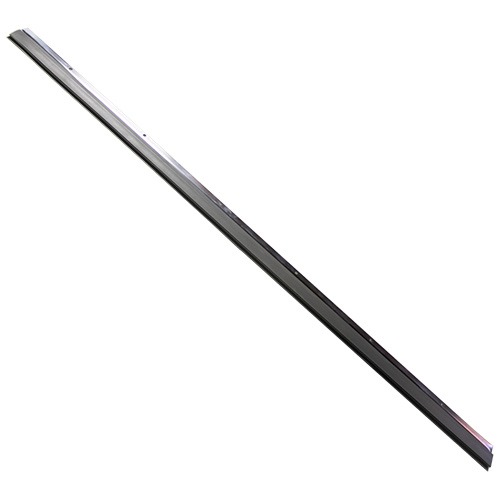
The bottom of the door deserves attention, too.
Door sweeps help seal the area between the bottom of the door and threshold. Because they’re located close to the floor, they’re exposed to repeated contact, cleaning, carts, traffic, and general wear.
Look for tearing, deformation, missing sections, or visible gaps underneath the closed door.
If you can see that the sweep is no longer doing its job, don’t wait for the problem to become more obvious.
Repair now: A torn, damaged, or poorly sealing sweep.
Keep a spare: A practical option when several walk-ins use the same size and style.
6. Heater Wire: Particularly Important for Freezers
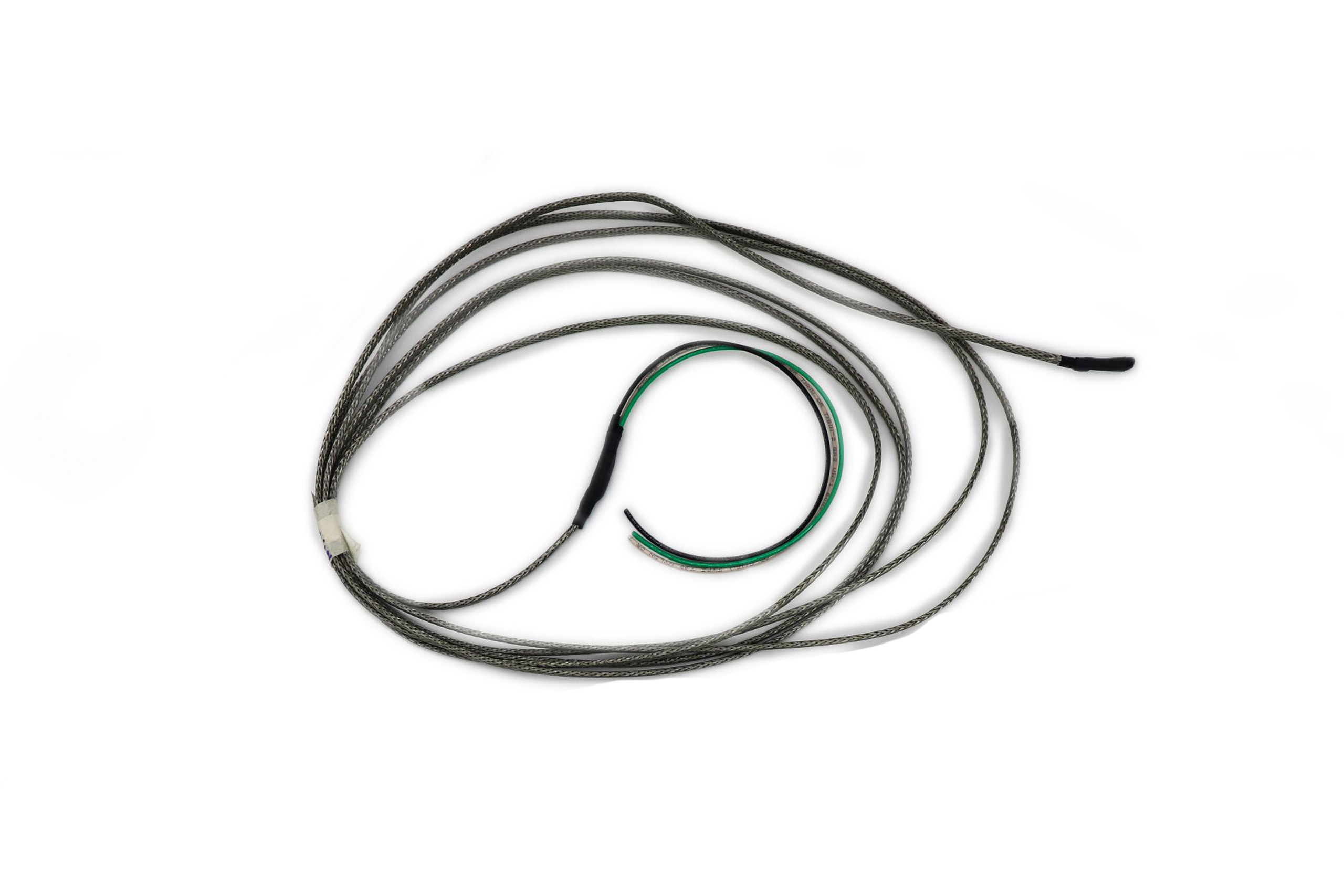
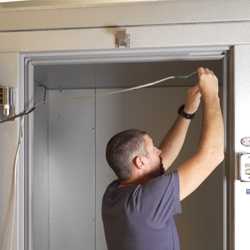
Freezer door openings introduce another concern: ice.
Heated door-frame components can help control condensation and ice formation around freezer openings. If a heater component fails, frost or ice around the frame or seal may be one of the warning signs.
This isn’t necessarily a DIY repair. Electrical components should be properly diagnosed and serviced by qualified personnel.
But identifying the correct replacement component before you need it can still save valuable time.
Repair now: Have recurring frost or ice around the door opening properly diagnosed rather than simply removing the ice.
Keep a spare: Consider it when your facility has multiple matching freezer doors and you’ve confirmed the proper heater component.
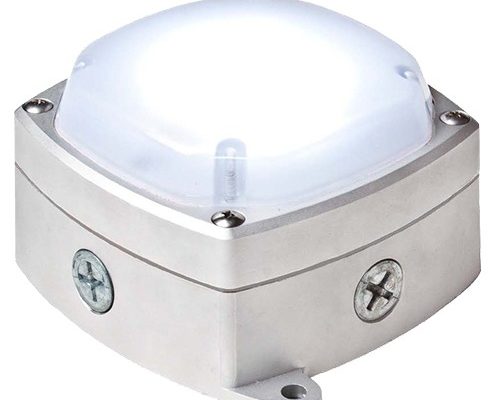
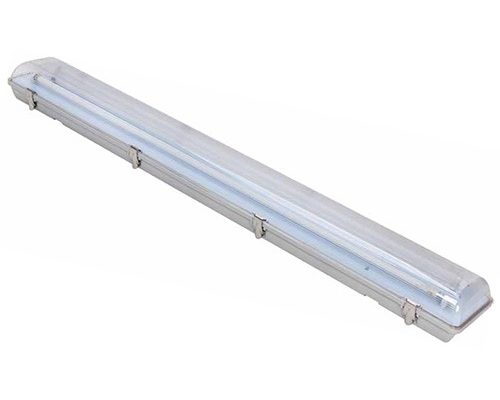
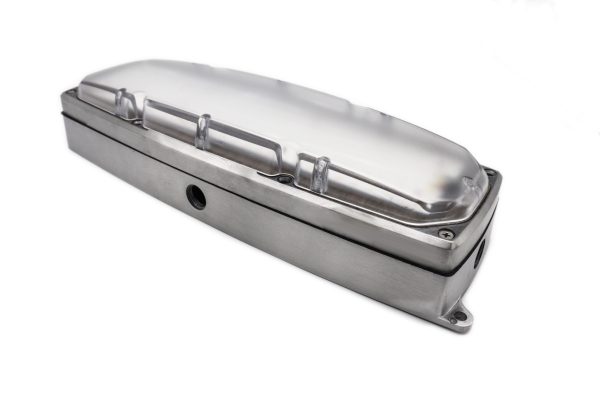
7. Light Fixtures and Other Frequently Used Components
Not every failure threatens refrigeration performance, but some can still create an immediate operational headache.
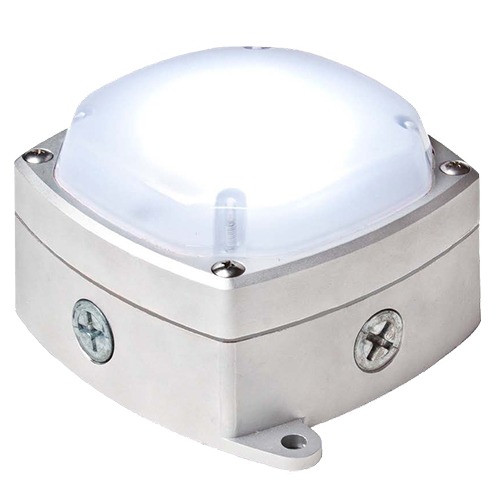
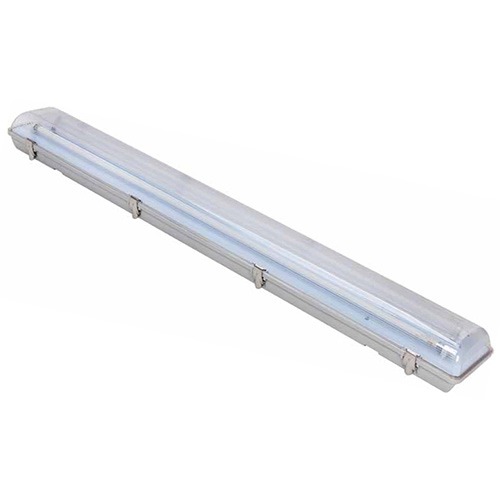
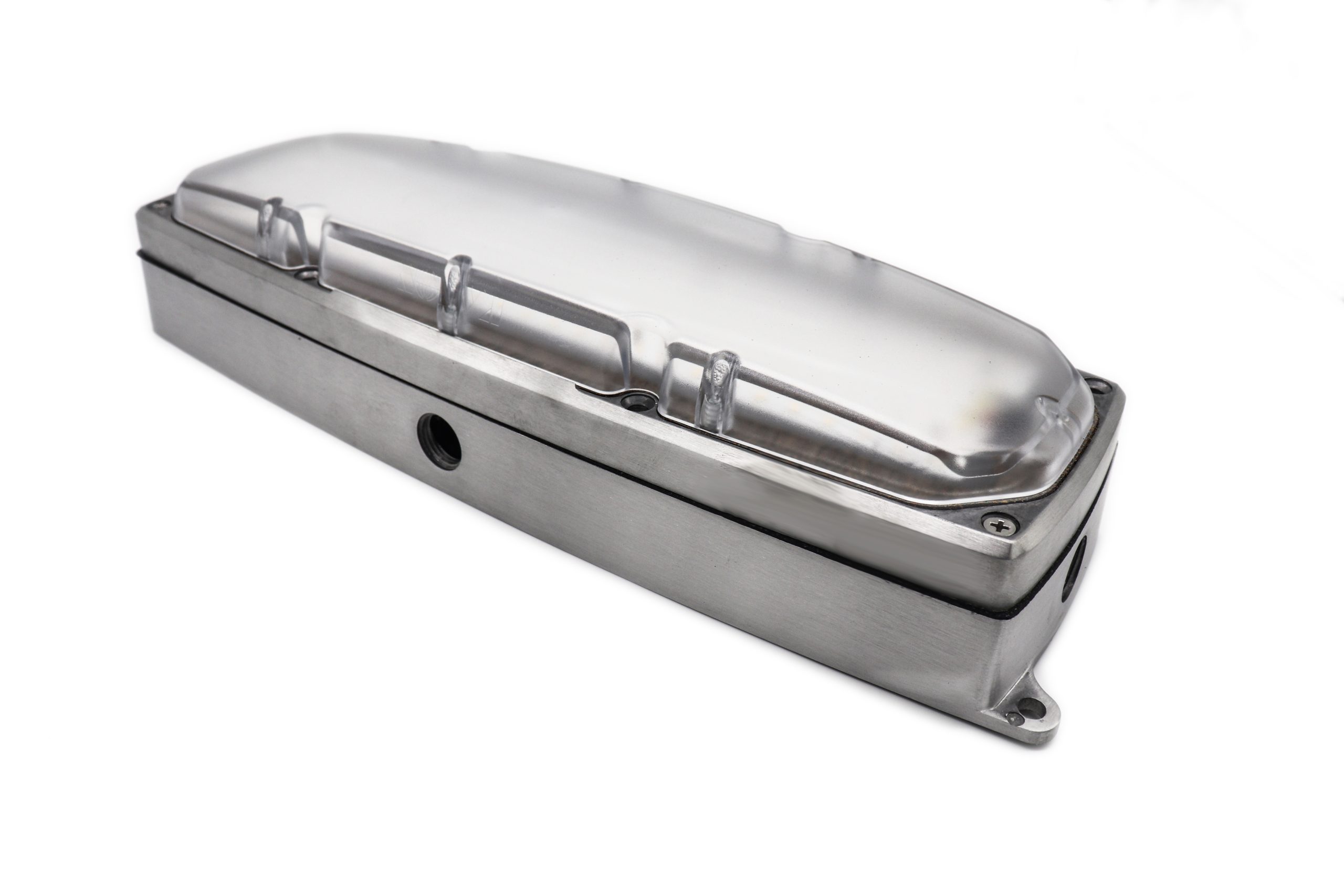
A failed walk-in light, switch, thermometer, or other commonly used component may be relatively straightforward to replace—provided you have the correct part.
Take a look around your walk-in and ask:
If this stopped working tomorrow, would we be comfortable waiting several days to fix it?
If the answer is no, it may belong on your spare-parts list.
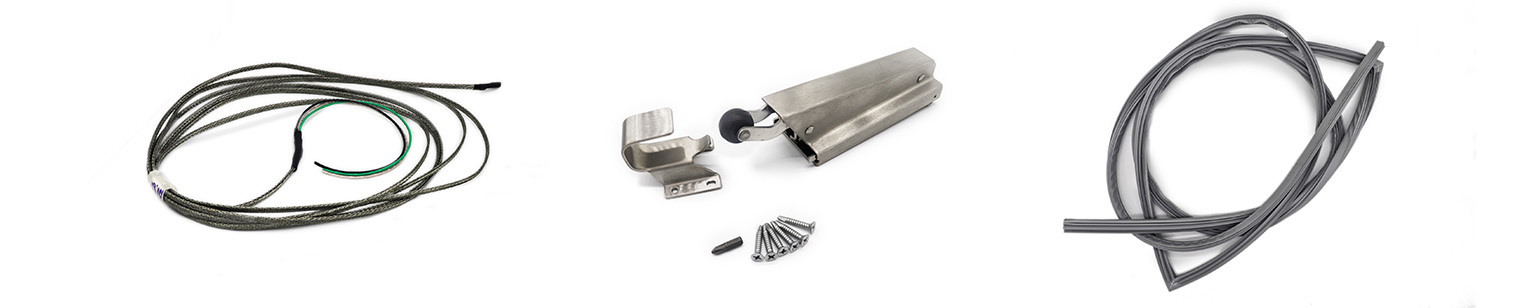
ReFridge carries replacement hardware, gaskets, heater wire, light fixtures, refrigeration parts, and other walk-in components.
Don’t Turn Your Maintenance Room Into a Parts Warehouse
Planning ahead doesn’t mean buying one of everything.
A better spare-parts strategy focuses on three questions:
How likely is the part to wear out?
Frequently used mechanical components deserve more consideration than components that rarely fail.
How disruptive would the failure be?
A broken component that prevents a door from closing deserves a different level of preparation than a cosmetic item.
How quickly can you get the correct replacement?
Standard parts may be readily available, while custom-sized or application-specific components can require additional time. ReFridge notes that while it strives to ship parts orders within one business day, custom-made items aren’t guaranteed to ship the same day.
Your spare-parts shelf should reflect your equipment and your operation, not somebody else’s generic checklist.
Know What You Have Before Something Breaks
One of the best things you can do today costs nothing.
Document your walk-in.
Record the manufacturer and any identifying information available for your doors and equipment. Take clear photos of hinges, latches, closers, gaskets, and other hardware. Record relevant measurements and part numbers.
This is particularly important because walk-in parts aren’t always universal. Even hardware that looks similar may have different offsets, mounting patterns, sizes, or applications.
Doing that work while everything is functioning is much easier than trying to identify a broken part while your walk-in is down.
Repair It Now or Keep a Spare?
The simplest rule is this:
If a part is already showing signs of failure, repair it now. If its failure would create an immediate operational problem, consider keeping a spare.
Preventive maintenance and spare parts serve two different purposes. One helps prevent a breakdown. The other helps you recover faster when a breakdown can’t be avoided.
You don’t need a storeroom filled with parts. You just need to know which handful of components could make the biggest difference when something goes wrong.
Because the worst time to discover you need a walk-in part is after you already need it.
Need to build your walk-in spare-parts shelf? ReFridge carries replacement gaskets, hinges, handles, closers, heater wire, light fixtures, refrigeration parts, and more for walk-in coolers and freezers.