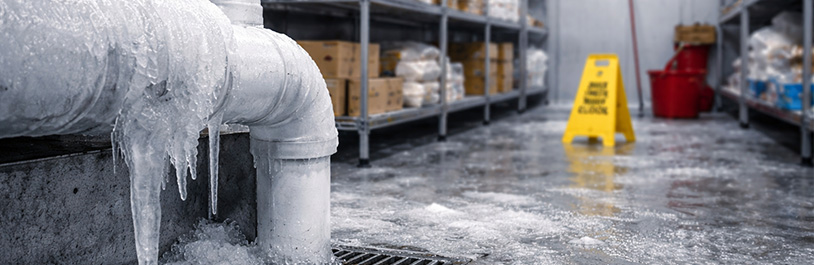
A frozen drain line is one of those walk-in freezer problems that seems small… until it isn’t.
One day everything looks fine. The next day you’ve got water pooling, ice building up, or a mysterious leak that turns into a mess fast—especially when it melts.
The good news? Most drain line issues give you warning signs before they become a full-blown flood. Here’s what to look for and what it usually means.
What the Drain Line Does (and Why It Matters)
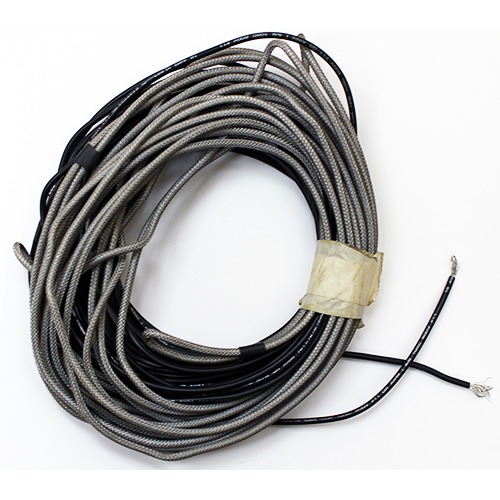
Your freezer goes through defrost cycles, and that moisture has to go somewhere. The drain line carries defrost water safely out of the box.
When that drain line freezes or gets blocked, the water has nowhere to go—so it backs up and creates:
- ice inside the freezer
- water pooling near the evaporator area
- leaks at the door or floor line
- water outside the box once it melts
The Most Common Signs Your Drain Line Is Frozen
1) Ice Building Up Near the Evaporator
If you’re seeing ice forming near the evaporator housing or in the area directly underneath it, that’s a classic early sign that defrost water is not draining properly.
What starts as a little frost can turn into a thick ice slab over time.
2) Water Pooling After Defrost
Some facilities first notice the issue when water appears at certain times—often after a defrost cycle.
If the freezer looks fine and then suddenly there’s water or slush later, it may be because the unit is trying to defrost, but the drain can’t move the water out fast enough.
3) Ice on the Freezer Floor (Especially in One Spot)
A frozen drain line doesn’t always ice up the whole floor evenly. You’ll often see a patch of ice forming repeatedly in the same area—commonly closer to where the drain pan and line are located.
If your team keeps chipping ice from the same place, your drain line is trying to tell you something.
4) Water Outside the Walk-In (When It Warms Up)
This is where it gets expensive.
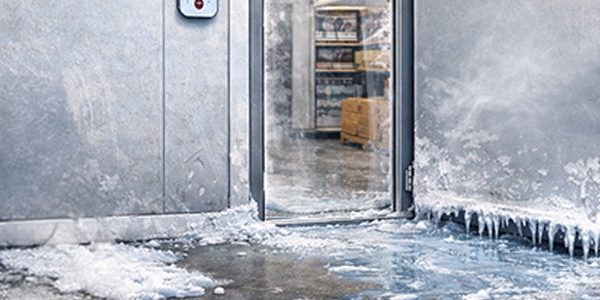
A frozen drain line can quietly build up ice for days. Then the temperature shifts, the door stays open longer during a delivery, or the ice loosens—and suddenly water shows up outside the walk-in.
That “random leak” is often a backed-up drain line finally releasing.
Why Drain Lines Freeze in the First Place
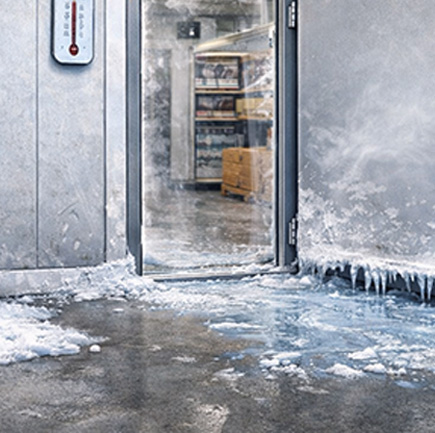
A drain line is most likely to freeze when:
✅ Warm air is getting into the freezer (humidity increases moisture load)
✅ The door gasket isn’t sealing tight
✅ The door is being opened frequently
✅ The drain line heater isn’t working (if equipped)
✅ The drain line has a partial blockage and water sits too long
Even a small restriction can cause standing water to freeze—then it snowballs from there.
What You Can Do Before It Becomes a Flood
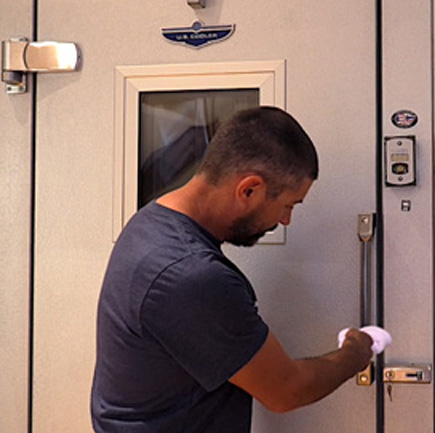
Here are a few simple preventative checks that can save you from downtime:
Inspect the door seal
If the gasket is worn or leaking, humidity increases and the system creates more moisture than the drain can handle.
Look for repeated ice patterns
Same spot = same cause. If ice always forms in one area, it’s a strong clue that drainage is struggling.
Don’t ignore “minor” floor ice
A little ice today becomes a slip hazard and a flood cleanup tomorrow.
Fix small issues early
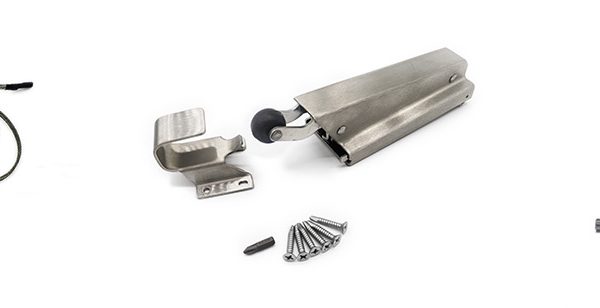
Replacing a gasket, sweep, or worn hardware can reduce warm air intrusion and lower the moisture load inside the freezer.
The Bottom Line
If you catch a frozen drain line early, you can prevent:
- ice buildup that damages floors
- sudden leaks and floods
- product risk from temperature swings
- emergency service calls at the worst time
If you’re dealing with recurring ice, water pooling, or unexplained leaks, it’s worth checking your freezer drainage before it turns into a bigger problem.
Need walk-in parts to help improve door sealing and reduce moisture intrusion? ReFridge has the replacement parts you need to keep your freezer running efficiently and avoid the mess that comes with frozen drain issues