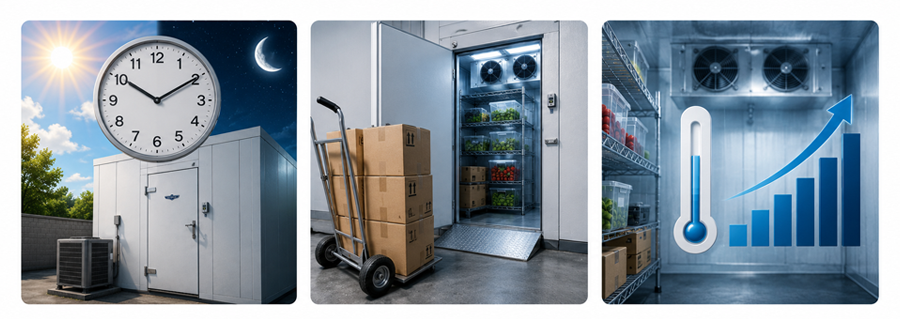
5 Common Causes of Extended Run Times (and What to Check First)
When temperatures climb, it’s normal for your walk-in cooler or freezer to work harder.
Longer run cycles don’t automatically mean something is wrong. Summer heat, humidity, deliveries, and increased traffic all place additional demand on refrigeration systems.
But if your walk-in seems to run constantly without fully recovering, or temperatures begin drifting outside safe operating ranges, it’s time to take a closer look.
Here are five of the most common reasons walk-ins run longer during hot weather—and what you can do about them.
First: What Is Normal Summer Runtime?
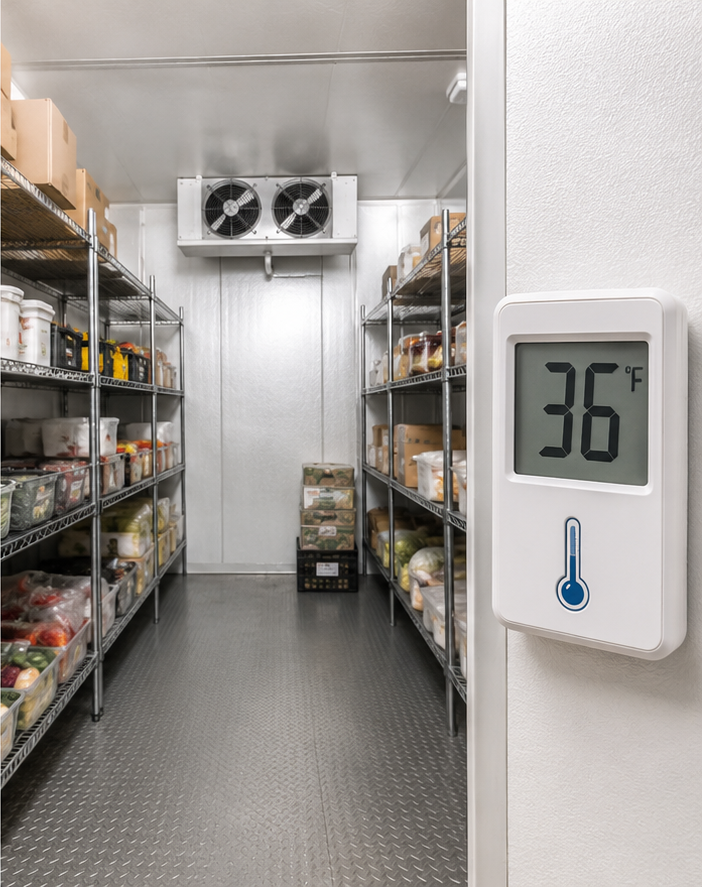
During the hottest months of the year, refrigeration systems naturally operate longer than they do in cooler seasons.
Typical summer conditions may include:
- Longer compressor cycles during afternoon heat
- Slower temperature recovery after deliveries
- Increased runtime during peak operating hours
- Higher energy consumption during periods of heavy traffic
These conditions are generally normal.
The concern begins when the system never seems to catch up, temperatures fluctuate excessively, or product temperatures become difficult to maintain.
1. Door Gaskets Are Allowing Warm Air Inside
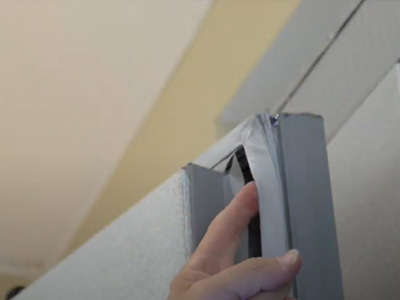
One of the most common causes of excessive runtime is air infiltration through worn door gaskets.
Even a small gap allows warm, humid summer air to enter the box continuously. That heat and moisture force the refrigeration system to work harder to maintain temperature.
Warning Signs
Coolers
- Condensation around the door frame
- Moisture near the threshold
- Temperature fluctuations
Freezers
- Frost buildup near the entrance
- Ice accumulation around the door
- Excessive defrost activity
What to Inspect
- Cracked or damaged gaskets
- Corners pulling away from the frame
- Flattened sections that no longer compress
- Visible gaps around the door perimeter
- Areas where light can be seen through the seal
Replacing worn gaskets is often one of the quickest ways to improve efficiency and reduce runtime.
2. The Door Closes—but Doesn’t Seal
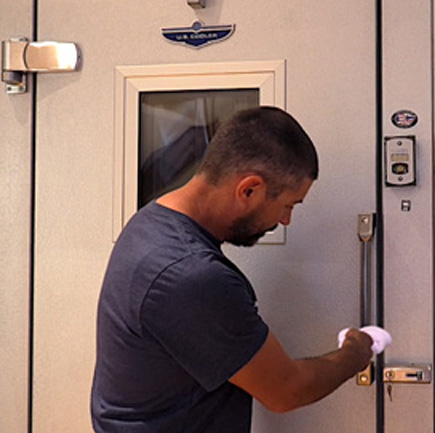
A door may latch while still allowing air leakage.
Over time, hinges settle, strikes shift, and closers lose adjustment. The result is a door that appears closed but isn’t sealing tightly.
Common Symptoms
- Door bounces slightly after closing
- Staff members must push the door shut
- Uneven gasket compression
- The door doesn’t feel snug when latched
Areas to Check
- Hinge alignment
- Latch engagement
- Strike plate position
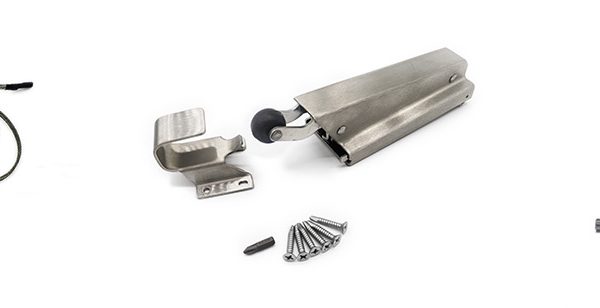
- Door closer operation
A poorly aligned door can introduce a surprising amount of heat and humidity into the box throughout the day.
3. Too Much Door-Open Time
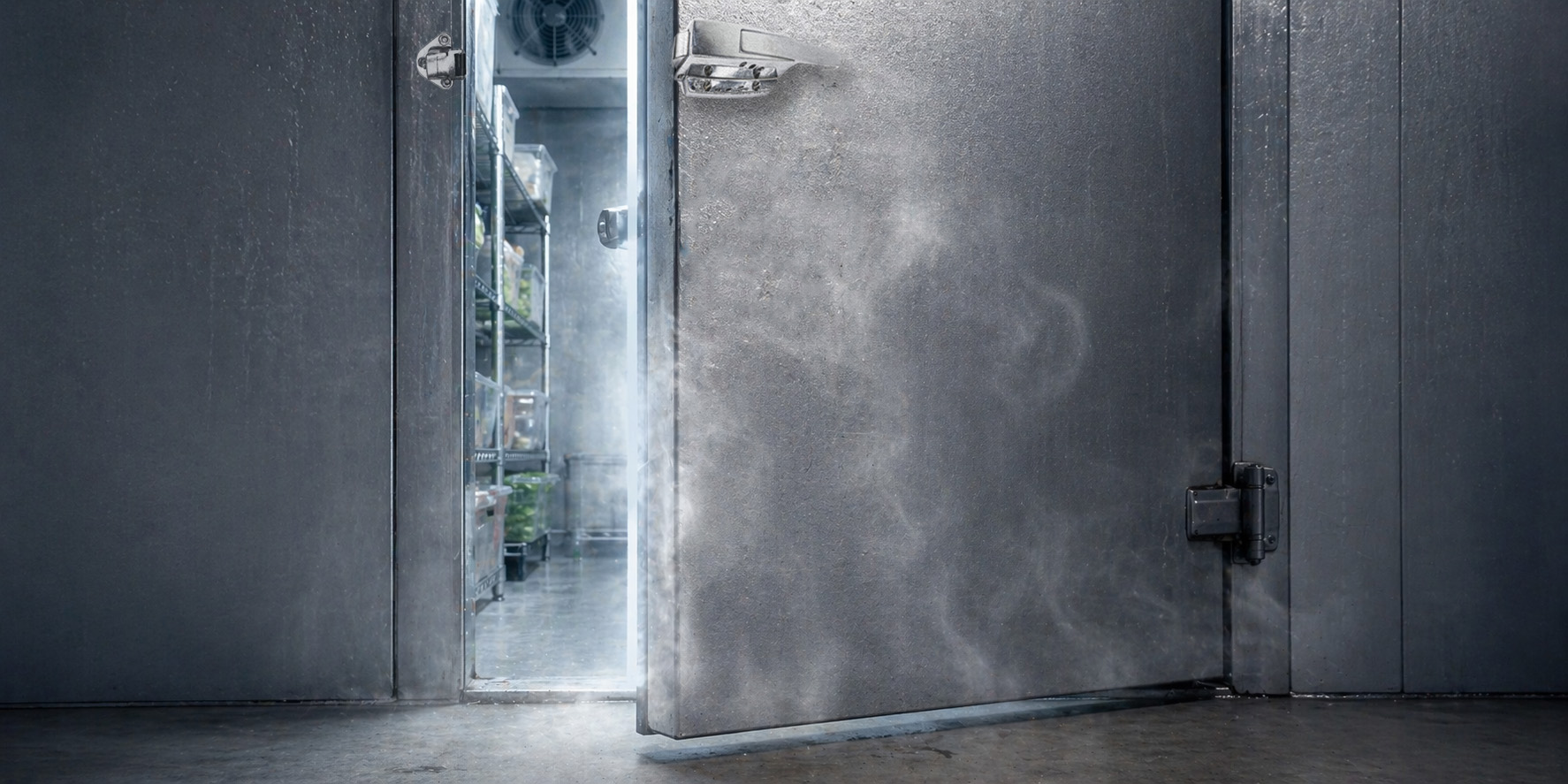
Every time a walk-in door opens, conditioned air leaves and warm air enters.
During summer, that incoming air contains significantly more moisture and heat than it does during cooler months.
The refrigeration system must remove all of that heat before temperatures can stabilize again.
Signs of Excessive Door Traffic
- Temperature increases during busy periods
- Slow recovery after deliveries
- Frost accumulation near freezer entrances
- Longer afternoon run cycles
Ways to Reduce Heat Gain
- Minimize unnecessary door openings
- Consolidate product retrieval trips
- Close doors between deliveries
- Consider strip curtains for high-traffic applications
Reducing door-open time is one of the easiest operational improvements a facility can make.
4. Restricted Airflow Inside the Walk-In
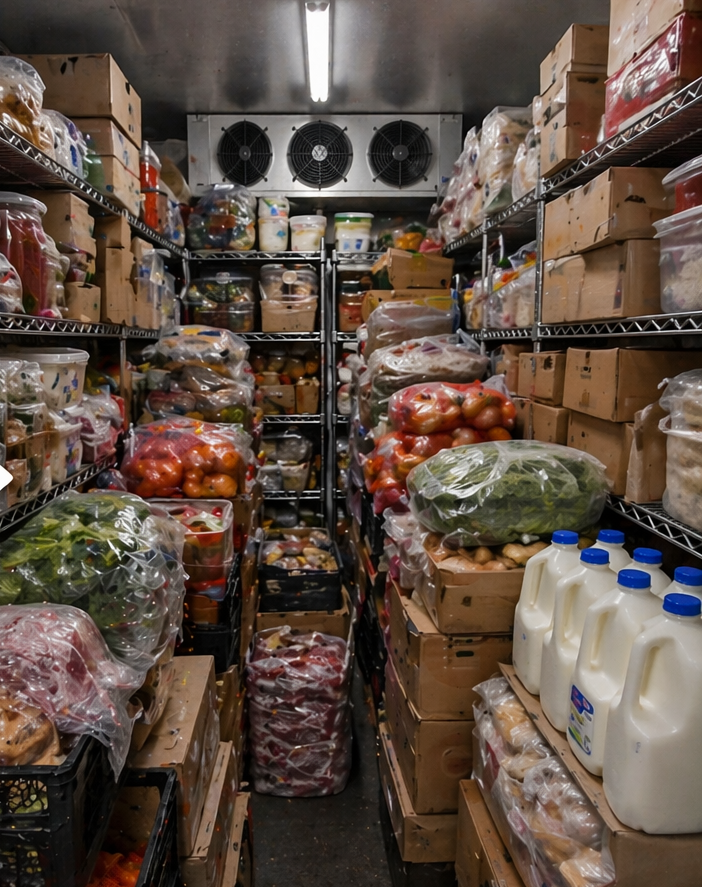
Proper airflow is critical for consistent temperatures and efficient operation.
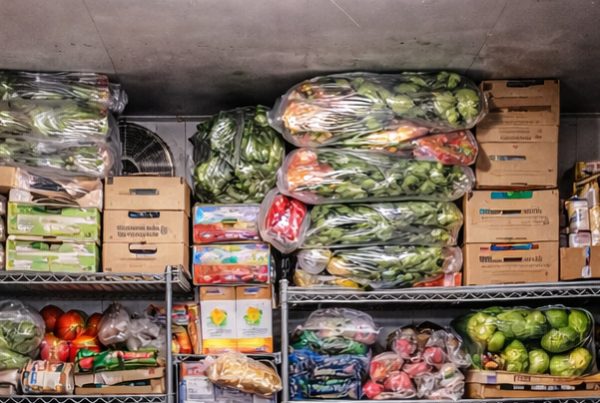
When product is stacked too tightly or blocks evaporator airflow, the refrigeration system struggles to distribute cold air evenly throughout the box.
The result is longer runtime and uneven cooling.
Warning Signs
- Warm spots inside the walk-in
- Product cooling slowly
- Temperature variations between shelves
- Ice buildup in unusual locations
What to Check
- Clearance around evaporator fans
- Product spacing
- Stacking patterns
- Product stored directly against walls
Maintaining adequate airflow helps the system cool more efficiently and recover faster.
5. Warm Product Loads from Deliveries
Summer deliveries often arrive warmer than expected.
Every case of warm product introduces additional heat that must be removed before the walk-in returns to its setpoint.
Typical Symptoms
- Temperature spikes after deliveries
- Extended recovery periods
- Increased runtime later in the day
Best Practices
- Stage incoming product when possible
- Load in smaller batches
- Keep doors closed between loads
- Avoid leaving product in hot receiving areas
Managing product temperatures before loading can significantly reduce refrigeration demand.
When Should You Be Concerned?
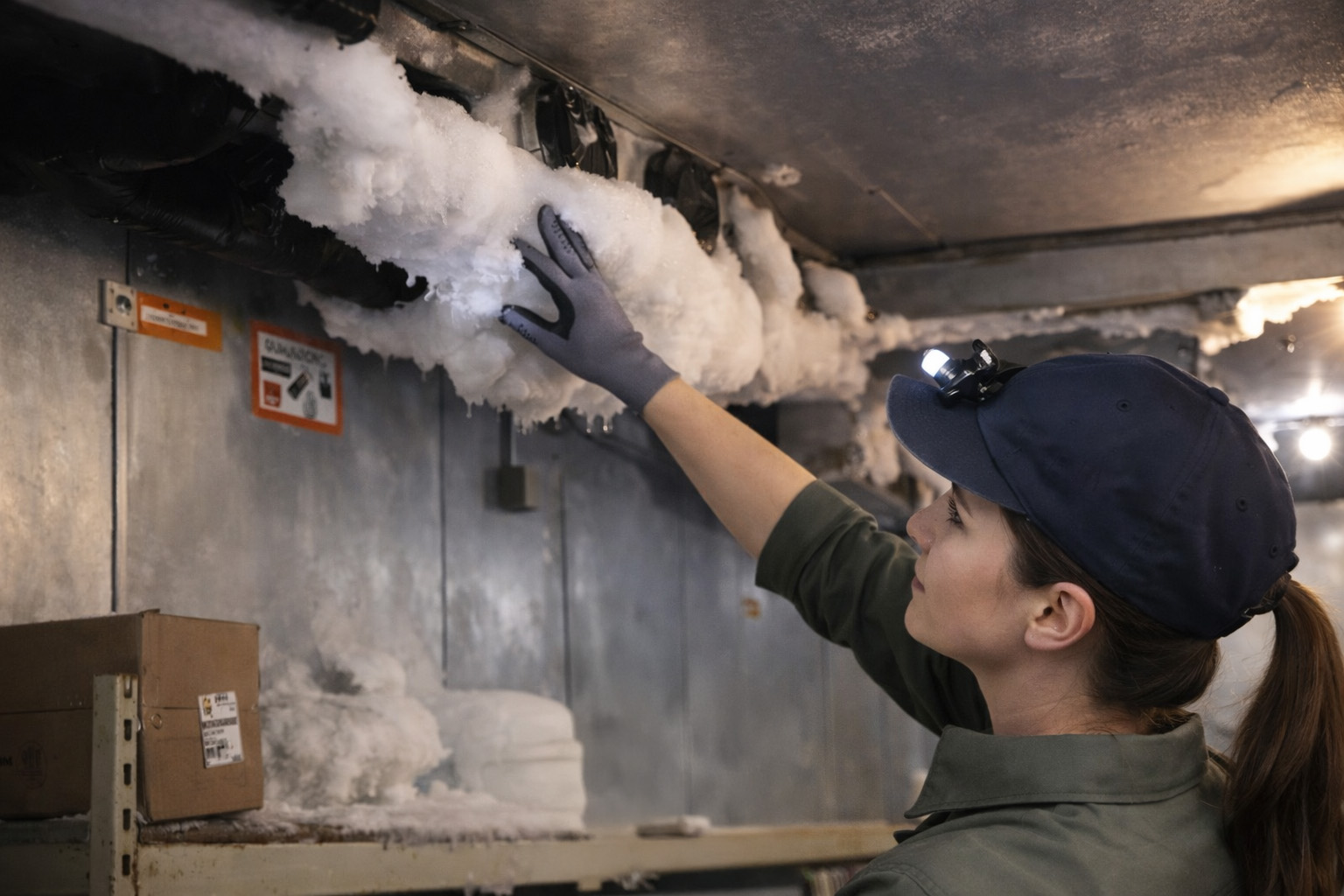
While longer summer run times are often normal, persistent issues deserve attention.
Consider further inspection if:
- Temperatures consistently exceed setpoint
- Product temperatures become difficult to maintain
- Frost or condensation continues to worsen
- The system runs continuously without recovering
- Energy costs increase unexpectedly
Many summer performance issues can be traced to simple maintenance items such as door seals, alignment, airflow restrictions, or operating practices.
Keep Your Walk-In Running Efficiently This Summer
Summer places additional stress on every refrigeration system, but longer runtime doesn’t always mean equipment failure.
A quick inspection of doors, gaskets, airflow, and operating conditions can often identify the source of the problem before it becomes a costly repair.
At ReFridge, we help customers maximize performance, protect product quality, and keep refrigeration systems operating efficiently through every season.