
One of the most frustrating walk-in problems is also one of the most common:
The door closes… but the cooler or freezer still won’t hold temperature like it should.
You may notice:
- frost building up near the door
- condensation around the frame
- higher energy bills
- longer compressor run time
- ice or moisture at the threshold
And the whole time, the door looks like it’s shutting normally.
So what gives?
Here’s the truth: a walk-in door can close and still leak air if it isn’t sealing tight—and that usually comes down to a few key causes.
1) The Door Is Latching… But Not Pulling Tight
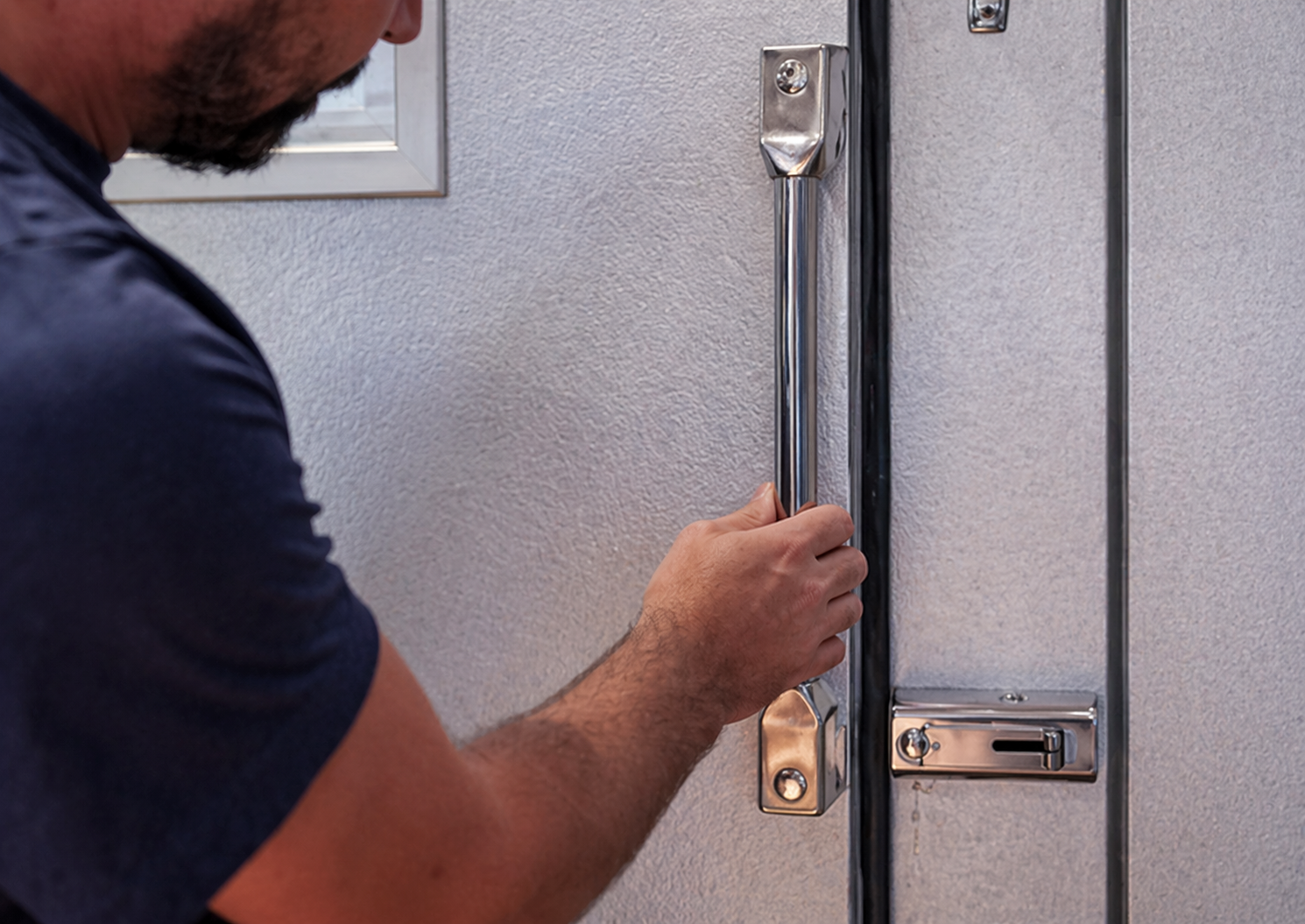
Your latch doesn’t just “close” the door—it’s supposed to pull the door snug against the gasket to create a tight seal.
If the latch is worn or misaligned, the handle may still catch, but the door won’t compress the gasket correctly.
Common signs:
- you can push the door tighter even after it’s latched
- the handle feels loose
- the door “clicks” shut but doesn’t feel secure
- the door bounces back slightly after closing
Fix: Check latch/strike alignment and wear. A small adjustment can make a huge difference.
2) Hinge Wear Can Create a Gap You Don’t Notice
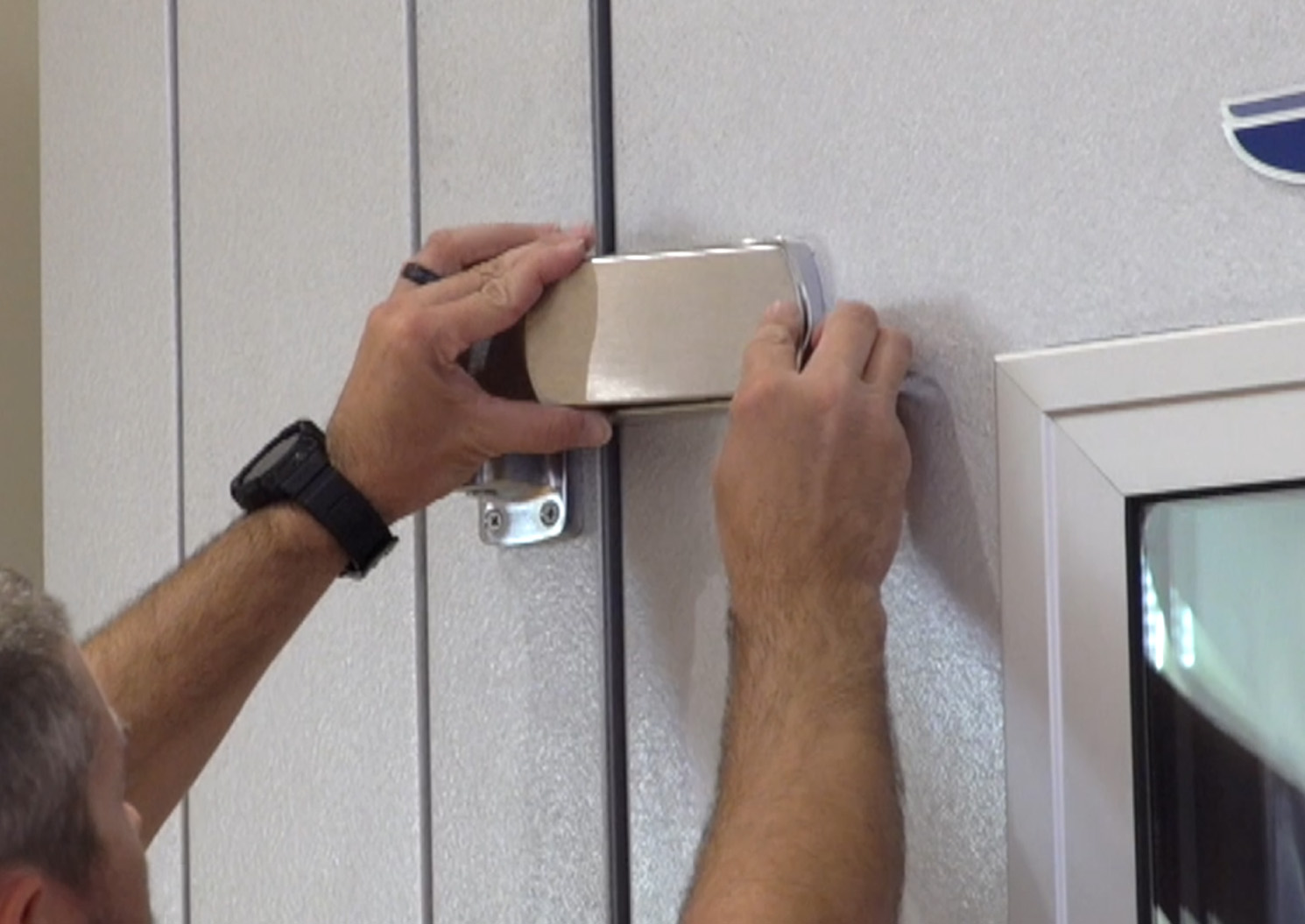
Walk-in doors are heavy, and hinges wear over time. Even slight sagging can shift the door enough that the gasket doesn’t sit evenly.
That means you can have a door that closes—yet still leaks at one corner or along an edge.
Common signs:
- door rubs or drags when closing
- the gap looks bigger at the top or bottom
- gasket wear is uneven
- you need extra force to close it
Fix: Inspect hinges for wear and alignment. If the door is sagging, the seal will never be right.
3) Your Gasket Looks “Fine” but Isn’t Sealing
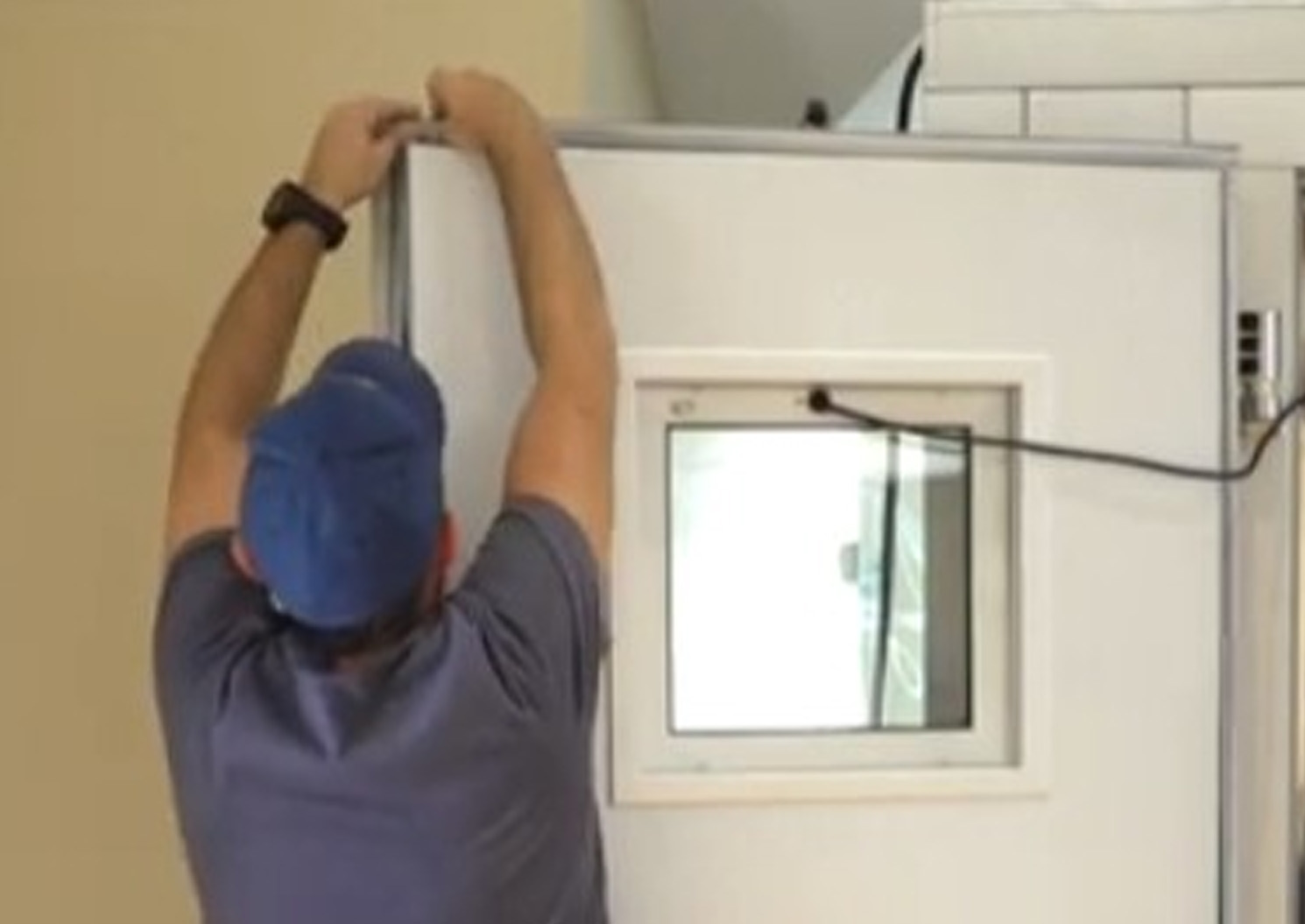
Some gaskets fail in obvious ways—tears, cracks, missing chunks.
But the more common issue? The gasket gets stiff, flattened, or deformed, so it can’t compress properly anymore.
Common signs:
- the gasket feels hard or brittle
- corners don’t sit tight
- you feel air movement near the frame
- frost or condensation appears around the edges
Quick test: Close a dollar bill in the door and pull it out. If it slides out easily, that section isn’t sealing.
4) The Sweep or Threshold Is Letting Air In at Floor Level
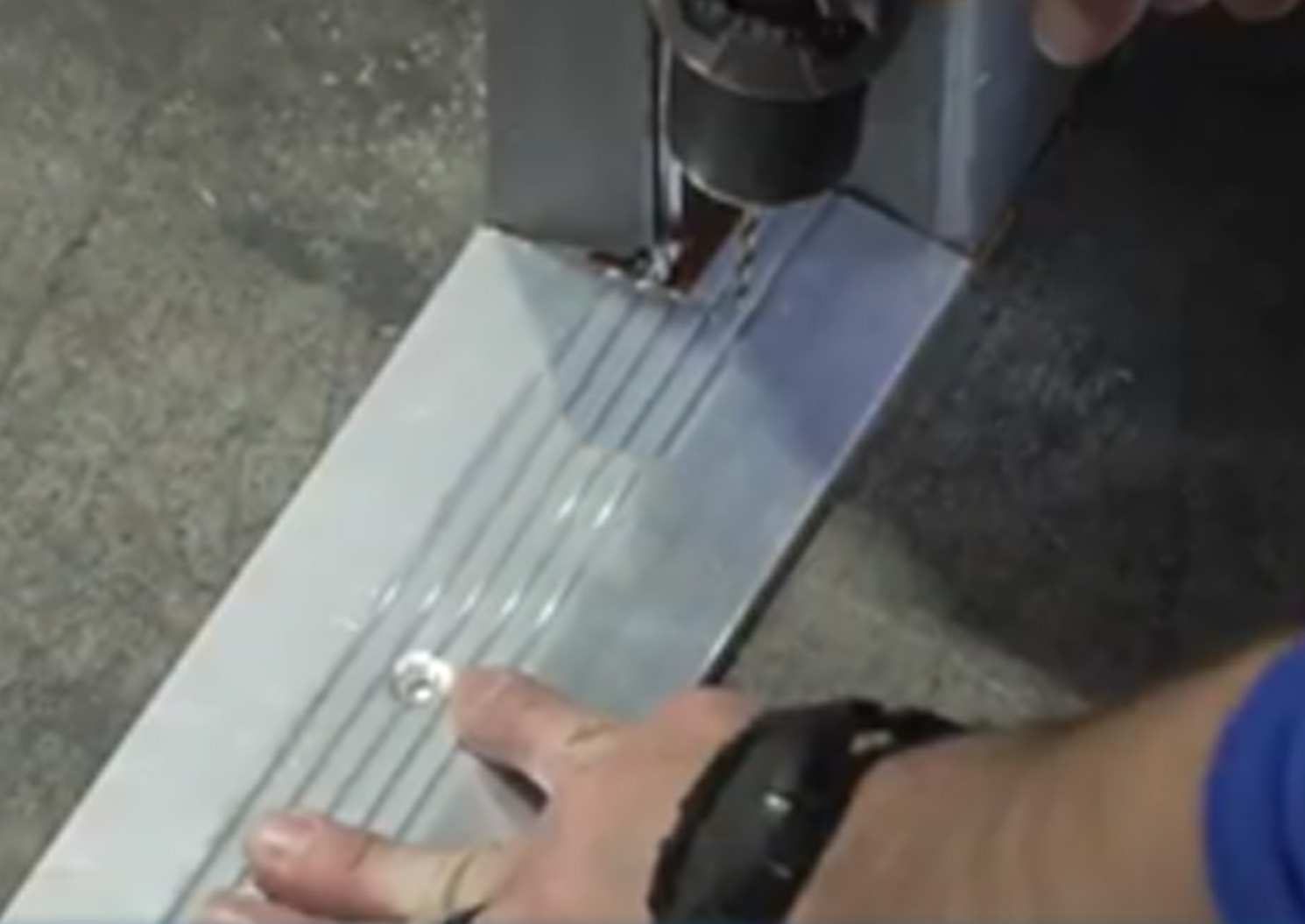
Warm air loves to sneak in at the bottom of the door.
If the door sweep is worn or the threshold is damaged, the door can be shut and latched—and still leak a surprising amount of air.
Common signs:
- ice buildup at the entrance (especially in freezers)
- wet floor or condensation near the doorway
- you can see light under the door
- airflow is noticeable near the floor
This is one of the most overlooked causes of door leaks.
5) The Door Closer Isn’t Doing Its Job
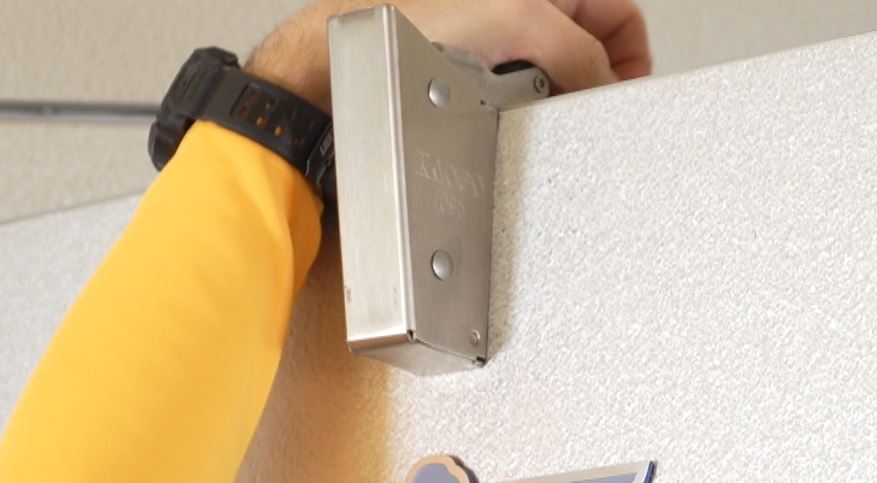
If the door isn’t closing consistently all the way, you may have a closer problem.
Closers wear out over time, and when they do, the door may “almost” close but not fully seal—especially in busy environments.
Common signs:
- the door doesn’t shut fully unless someone pushes it
- it closes too slowly or too fast
- it slams
it stops short of latching
Why This Matters (Even If It Seems Minor)
A small air leak becomes a big cost over time.
It can cause:
- higher utility bills
- icing and frost buildup
- temperature swings and product risk
- extra wear on your refrigeration system
- more frequent service calls
Most walk-in efficiency problems start at the door.
The Bottom Line
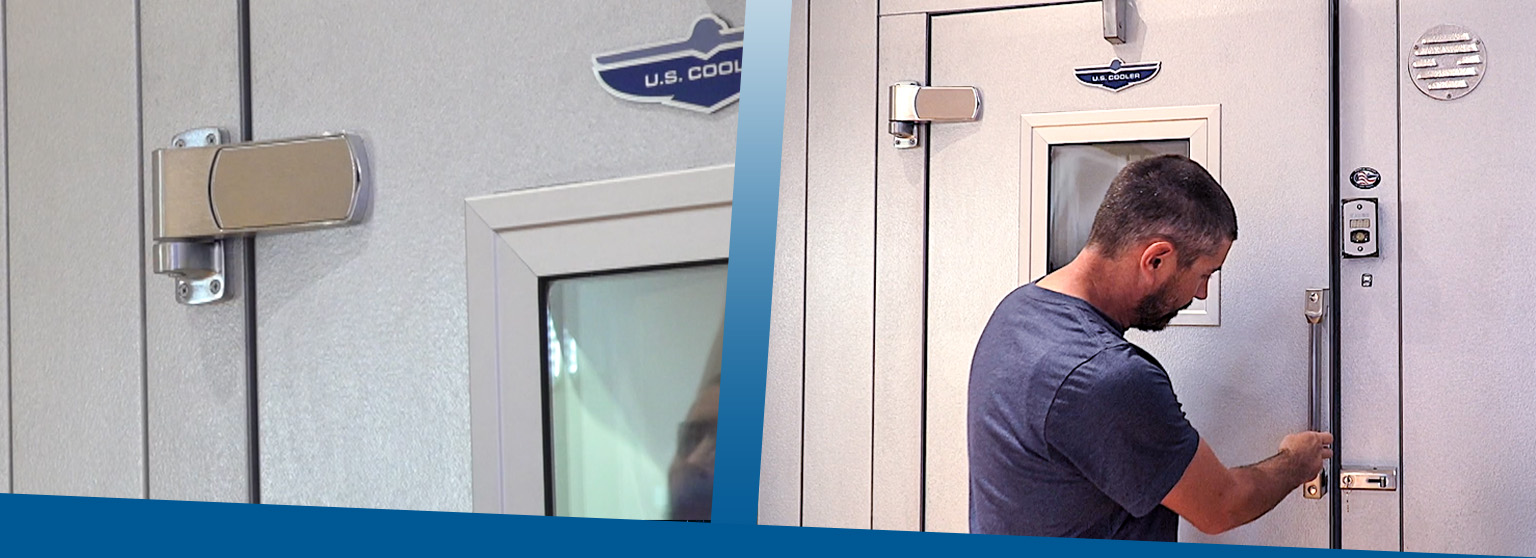
If your walk-in door closes but still leaks air, it’s usually one of these:
✅ latch/strike not pulling tight
✅ worn hinges causing sagging
✅ gasket losing its “seal” even if it looks okay
✅ sweep/threshold gap at the bottom
✅ door closer not shutting fully
Catching these early can prevent bigger repairs—and keep your walk-in running colder, cleaner, and more efficiently.
Need replacement door parts fast? ReFridge has the walk-in parts you need to stop air leaks and keep your system running the way it should.