
Walk-in doors get used thousands of times. In busy locations, they can take more abuse than any other part of the box.
And when door parts start failing, the problems usually show up as:
- warm air leaks
- frost buildup
- ice around the entrance
- rising energy bills
- doors that won’t latch or close right
Here are the most common walk-in door parts that wear out—and how to spot trouble before it becomes downtime.
1) Door Gaskets
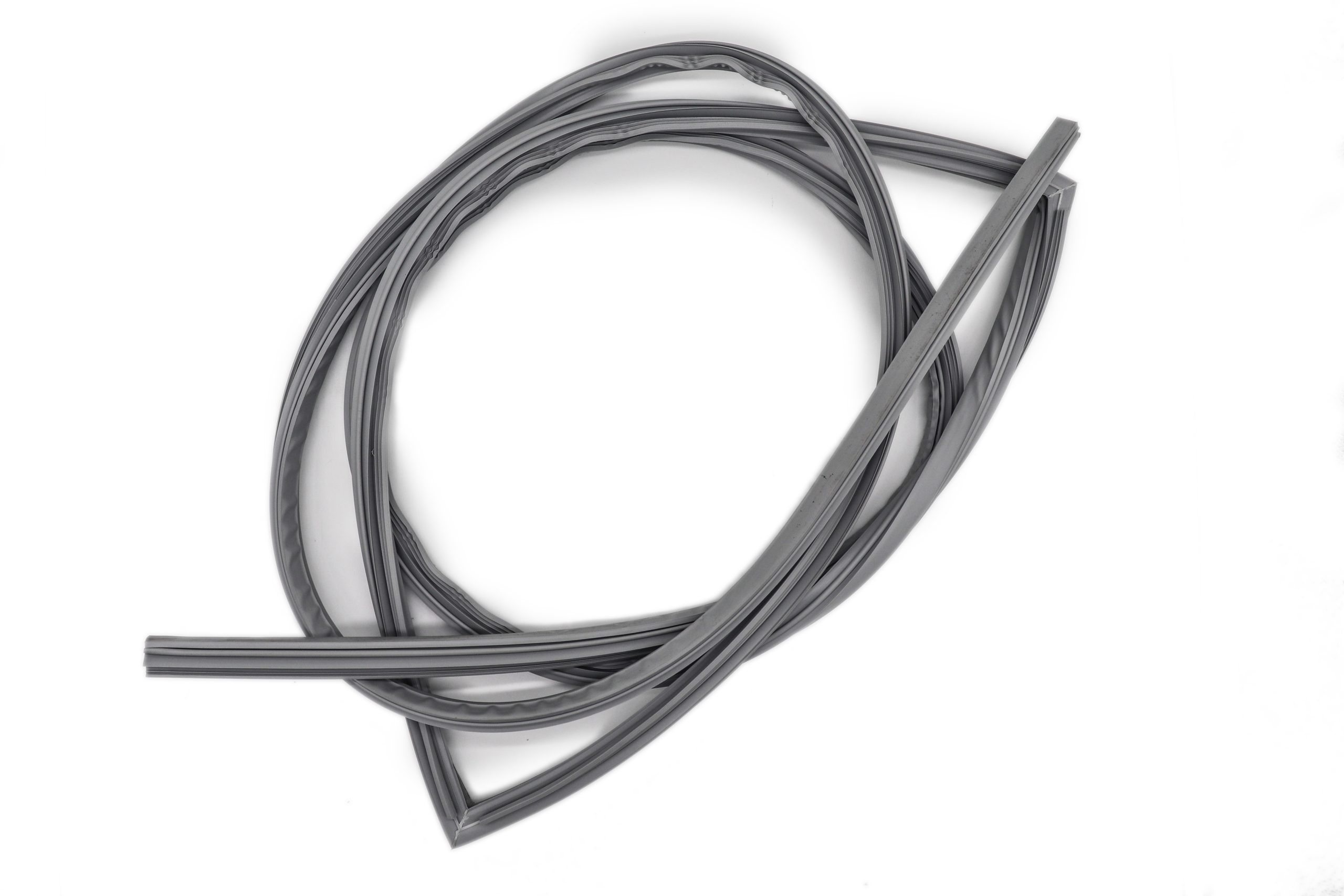
Door gaskets are the #1 seal that keeps cold air in and humidity out.
Failure signs:
- cracks, tears, or stiff sections
- gaps at corners
- condensation around the door
- frost building up near the frame
Catch it early: If the gasket feels brittle or won’t “bounce back,” it’s time.
2) Door Closers
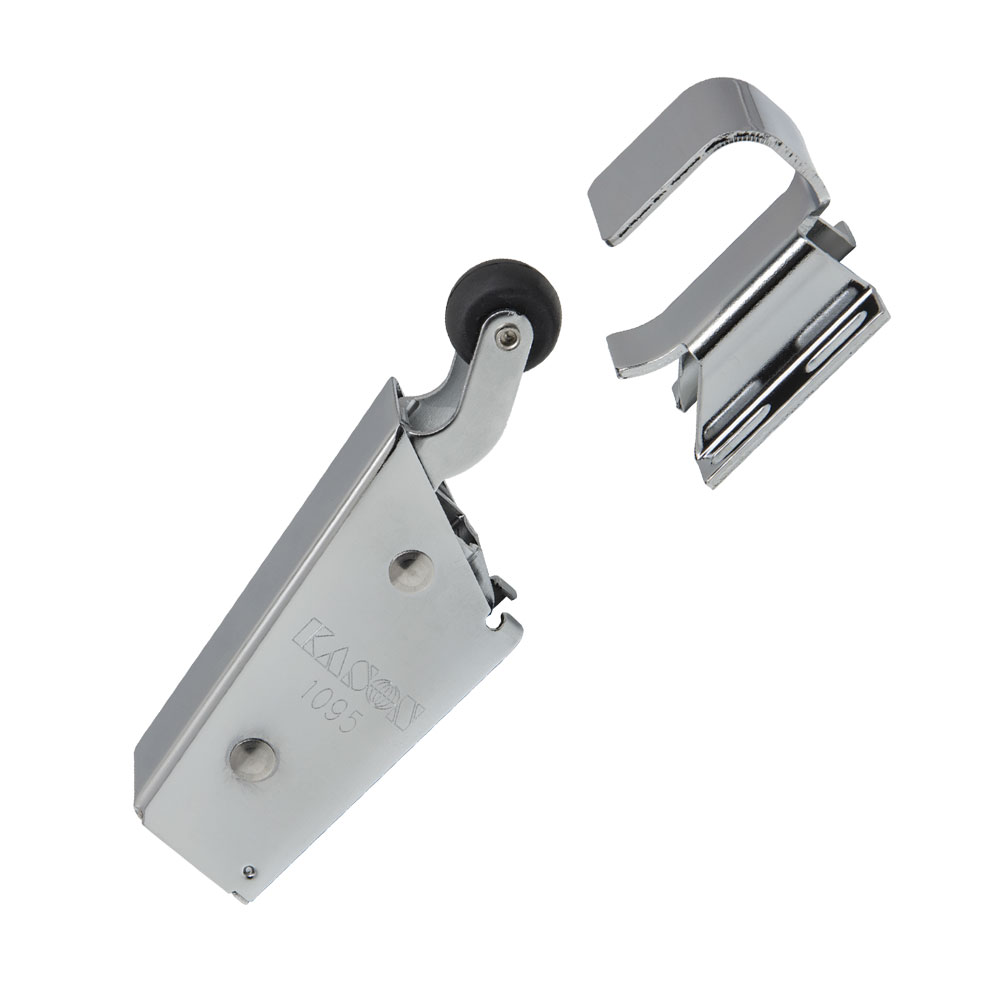
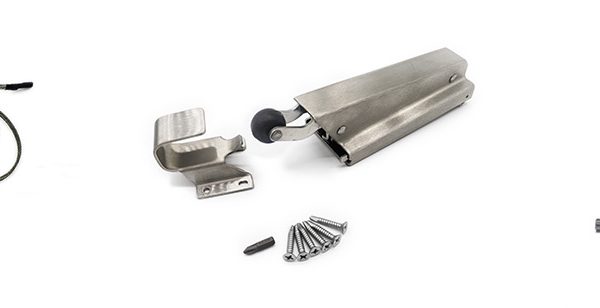
Closers work every time the door opens. When they weaken, the door may not shut completely—or it may slam.
Failure signs:
- door doesn’t fully close every time
- door slams hard
- the door drifts open slightly after closing
- inconsistent closing speed
Catch it early: If staff start “pushing the door shut” instead of letting it close normally, the closer is likely failing.
3) Hinges
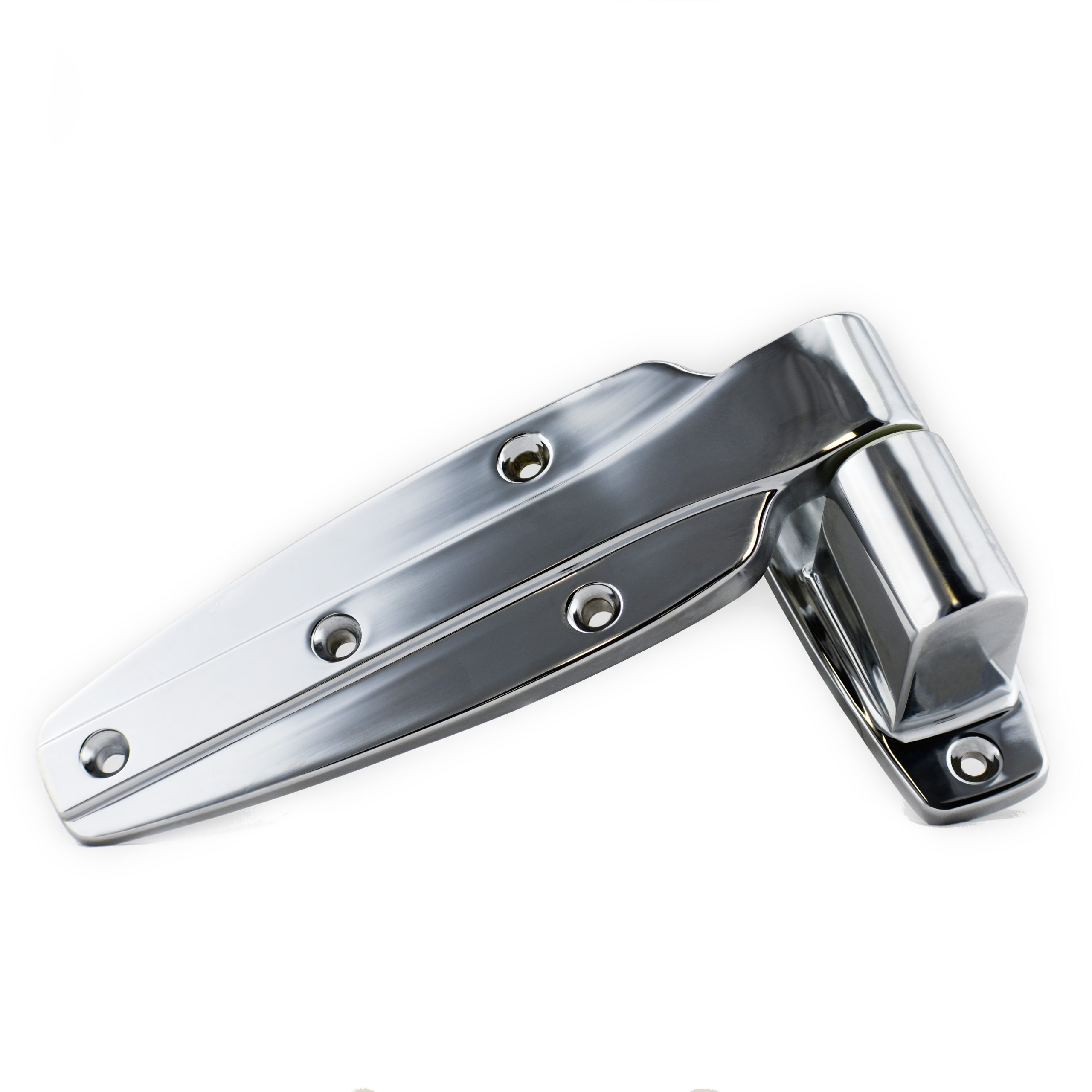
Walk-in doors are heavy. Worn hinges cause sagging, misalignment, and sealing issues.
Failure signs:
- door rubs or scrapes
- latch doesn’t line up cleanly
- gasket wears unevenly
- door looks slightly crooked
Catch it early: If it takes more force to close than it used to, don’t ignore it.
4) Latches & Handles
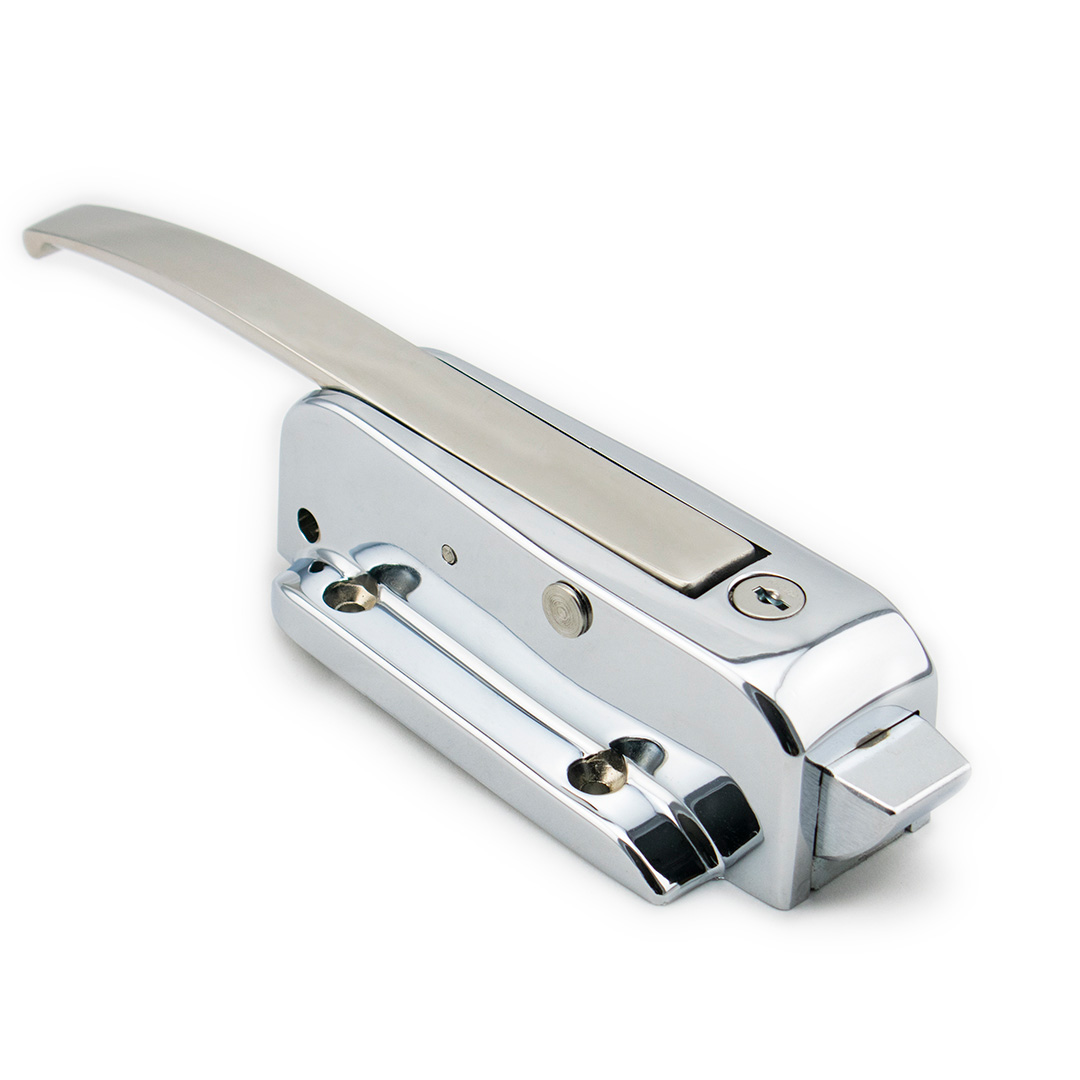
If the latch isn’t pulling the door tight, you’ll leak air even if the gasket is new.
Failure signs:
- door “clicks” but doesn’t feel tight
- handle feels loose
- door bounces back after closing
- you have to slam it to latch
Catch it early: A door that won’t pull tight is an energy leak waiting to happen.
5) Sweeps & Thresholds
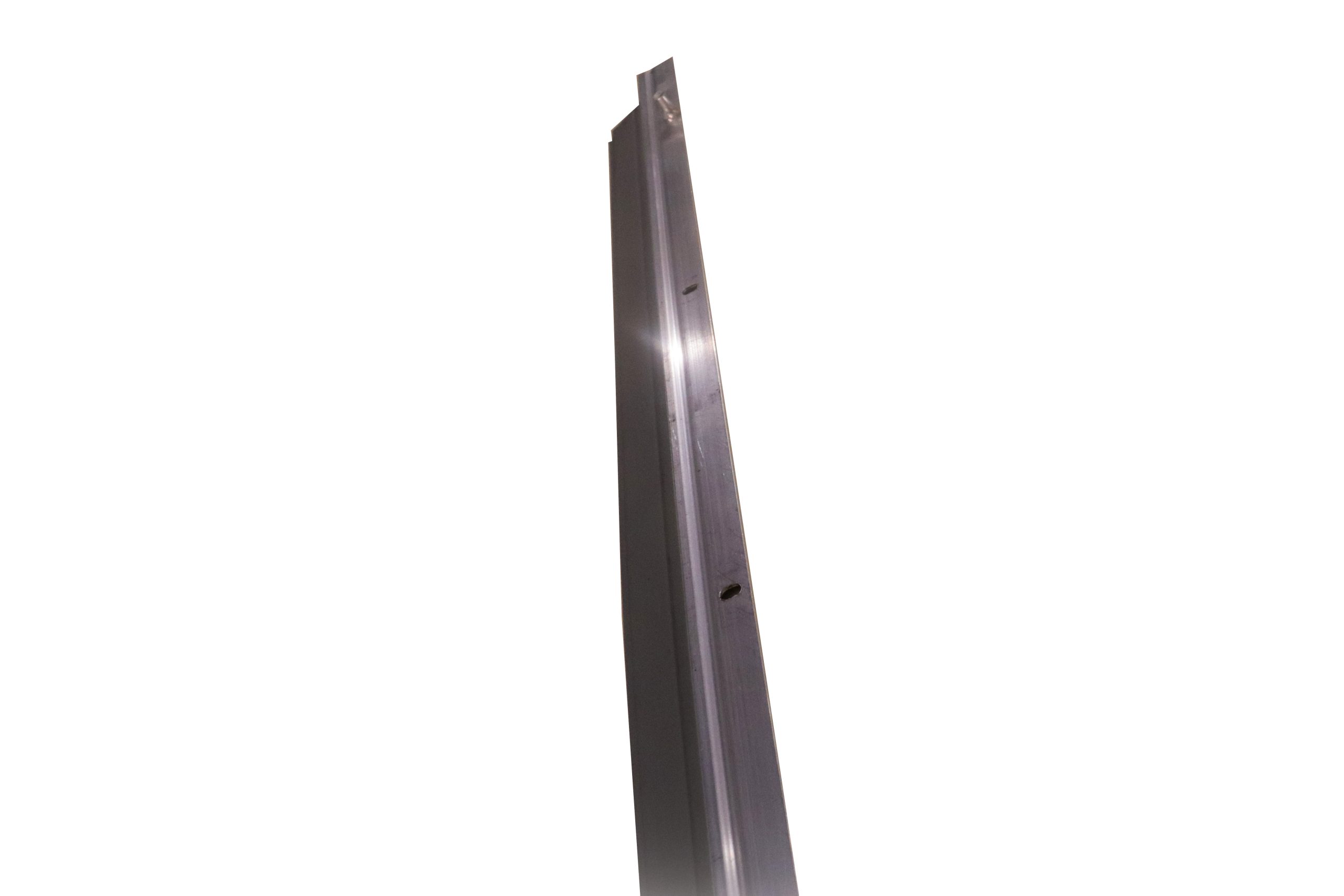
These are often overlooked because they’re down low, but they’re critical to sealing at the floor level.
Failure signs:
- ice at the entrance
- moisture on the floor
- light or airflow under the door
- worn or missing sweep
Catch it early: If frost starts at the bottom, think sweep/threshold first.
Smart Move: Stock a Few Spare Parts
If your walk-in is essential to operations, it’s worth keeping key parts on hand:
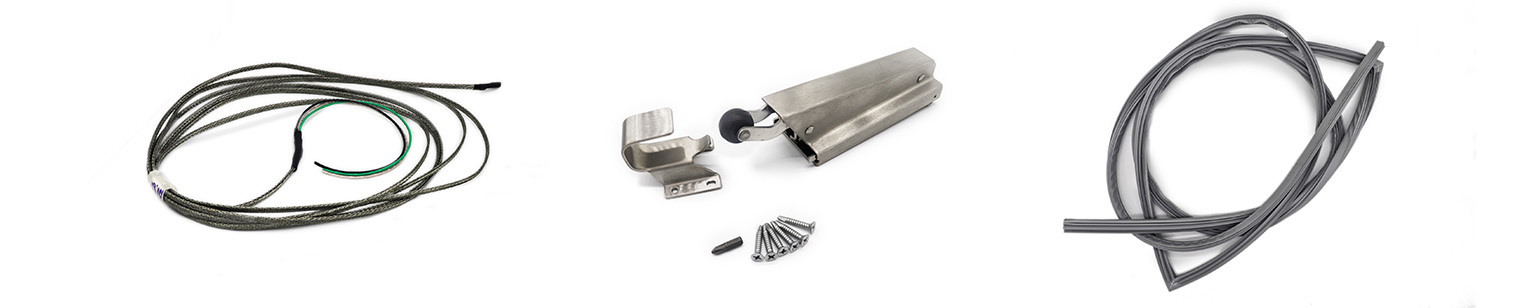
- gasket
- closer
- latch parts
- sweep
It’s a small investment compared to emergency downtime.
The Bottom Line
Door failures don’t happen instantly—they build up slowly, then suddenly become a big problem.
Catching these early keeps your walk-in:
✅ sealing properly
✅ running efficiently
✅ staying ice-free
✅ avoiding emergency repair calls